
The beauty of Moroccan women is the result of a rich tradition of care and rituals passed down from generation to generation. These practices, rooted in Moroccan culture, highlight the use of natural ingredients and ancestral methods to enhance the skin, hair and body.
The transmission of knowledge: a precious heritage
The 7 Moroccan beauty rituals below are much more than just routines; they represent a cultural heritage passed down from mother to daughter. This oral transmission of beauty secrets strengthens family ties and perpetuates ancestral traditions, thus ensuring the preservation of natural and body-friendly practices.

1. The hammam: a purification ritual
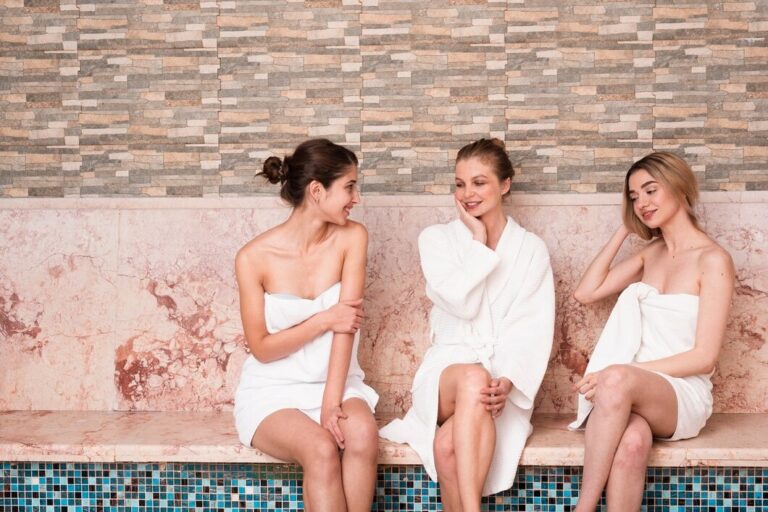
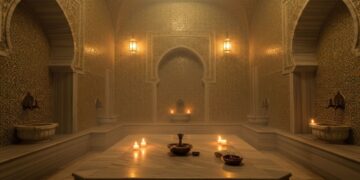
The hammam is an institution in Morocco, much more than a simple steam bath. It is a weekly ritual of purification and relaxation. Moroccan women begin by covering themselves with black soap, a natural paste made from black olives and olive oil, known for its exfoliating and moisturizing properties. After letting the soap work, they proceed to a vigorous scrub using a horsehair glove called a “kessa”, thus eliminating dead cells and impurities, leaving the skin soft and revitalized.
2. Rhassoul: purifying clay
Originating from the Atlas Mountains, rhassoul is a volcanic clay that has been used for centuries by Moroccan women. Mixed with water or floral waters, it is applied as a mask to the face, body and hair. Its absorbent properties allow for deep cleansing, removing excess sebum and purifying the skin and scalp, while respecting their natural balance.
3. Argan oil: the liquid gold of Morocco
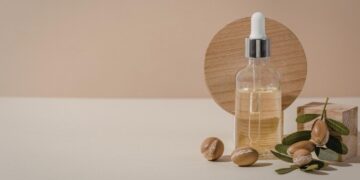
Extracted from the nuts of the argan tree, a tree endemic to southwestern Morocco, argan oil is renowned for its nourishing, regenerating and anti-aging properties. Rich in vitamin E and essential fatty acids, it is used to moisturize the skin, strengthen hair and fortify nails. Applied to the face, it helps prevent wrinkles and maintain skin elasticity.
4. Floral waters: natural tonics
Rose and orange blossom waters occupy a special place in the beauty routine of Moroccan women. Rose water, obtained by distillation of rose petals, is used as a tonic to refresh, soothe and moisturize the skin. It also helps to tighten pores and prevent signs of aging. Orange blossom water, meanwhile, is appreciated for its softening properties and delicate fragrance, bringing radiance and luminosity to the complexion.
5. Henna: beyond decoration
Although henna is mainly known for its decorative designs applied to hands and feet during celebrations, it is also used as a hair treatment. In addition to naturally coloring hair, henna strengthens the hair fiber, provides volume and shine, and protects against external aggressions.
6. Kohl: for a captivating look
Kohl is a mineral powder used since ancient times to highlight the contour of the eyes. Applied with a stick called a “mirwed”, it intensifies the look while having protective properties against eye infections and external aggressions.
Ramadan Nutrition: Healthy Iftar Recipes and Suhoor Meal Planning
Planning your Ramadan nutrition helps Moroccans to maintain their energy levels and health throughout the holy month. Balanced iftar and...
-
Moroccan Street Food: Local Favorites Guide
Street food represents Morocco's vibrant culinary culture offering authentic flavors at affordable prices throughout medinas and souks. Furthermore, traditional vendors...
7. Food: a reflection of inner beauty
Beyond external care, Moroccan women place great importance on diet to maintain their beauty. Regular consumption of dried fruits, almonds, honey and mint tea contributes to glowing skin and healthy hair. These foods, rich in antioxidants and essential nutrients, promote general well-being and reflect inner beauty.

Conclusion
By adopting these rituals, Moroccan women celebrate an authentic beauty, in harmony with nature and their culture. These practices, combining simplicity and effectiveness, continue to inspire and seduce beyond the borders of Morocco.






مقال مُلهم ومُتعمق يلامس جوهر جمال المرأة المغربية الأصيل! من الرائع كيف أن هذه الطقوس السبعة، كالحمام والغاسول وزيت الأركان، تشكل إرثاً ثقافياً يتجاوز مجرد العناية بالشكل. هذا يؤكد أن الجمال ينبع من الطبيعة والتقاليد المتوارثة. شكراً على تسليط الضوء على هذا التراث الجمالي الغني.
أتفق تماماً أن زيت الأركان هو “الذهب السائل للمغرب”؛ لا غنى عنه للعناية بالبشرة والشعر! وأيضاً، لا يوجد شيء يضاهي الشعور بالانتعاش والنظافة بعد طقس الحمام المغربي الأصيل. مقال يثبت أن الجمال الطبيعي هو الأجمل والأكثر استدامة.
جميل جداً التركيز على أن هذه الأسرار تنتقل من الأم إلى الابنة، مما يجعلها ليست مجرد روتين جمالي، بل رابطاً ثقافياً وعائلياً. هذه هي عظمة التقاليد المغربية! وشكراً على الإشارة إلى أهمية النظام الغذائي (الجمال الداخلي) كجزء من هذه الطقوس. تحية لكل نساء المغرب!
المقال يذكر كيف أن جمال المرأة المغربية ليس فقط صورة سطحية، بل هو نتيجة تراث عريق من العناية الطبيعية والطقوس المتوارثة من الأم إلى الابنة مثل الحمّام، الغاسول، زيت الأركان والمياه الزهرية، وكل هذا يعكس انسجاماً بين الجمال والطبيعة والثقافة 🌿✨، ويذكرنا أن الجمال الحقيقي ينبع من الاهتمام بالجسم والروح معاً وليس فقط من المظهر الخارجي 💖😍.
أدركتُ أن جمال المرأة المغربية ليس مجرد مظهر يُرى، بل هو حكاية تُروى بصمت عبر طقوسٍ عريقة تعيش في تفاصيل الحياة اليومية؛ من دفء الحمام، إلى نقاء الغاسول، إلى لمسة زيت الأركان… كلها ليست عادات عابرة، بل ذاكرة ممتدة من الأم إلى الابنة، تُعلّمنا أن الجمال الحقيقي يولد من الانسجام مع الطبيعة والوفاء للجذور، وأن الإشراق الذي نراه في الوجوه هو في الحقيقة أثرُ روحٍ متصالحة مع نفسها وتاريخها.
Magnificent goods from you, man. I have understand your stuff previous to and you’re just too magnificent. I really like what you’ve acquired here, really like what you’re stating and the way in which you say it. You make it enjoyable and you still take care of to keep it smart. I can’t wait to read far more from you. This is actually a tremendous web site.