
Moroccan beauty starts at the souk, not at the pharmacy, and everything your skin needs is already within reach in the narrow lanes of any medina in this country.
The souk as your beauty supplier
Every Moroccan city has a souk. Fes, Marrakech, Casablanca, Agadir, and even small towns all have stalls selling the same core ingredients that grandmothers used decades ago. These products are not niche. They are not expensive. They sit in open baskets and clay pots, available to anyone who walks by.

The goal of this guide is simple. You will learn to pick 5 ingredients, combine them into a kit, and use that kit every week. No complicated steps, no long ingredient lists, no imported brands. Just what the souk offers.
Think of this as building your routine the way Moroccan women have always done it: with intention, with knowledge, and with very little money spent.
Ingredient 1: argan oil as your daily moisturizer
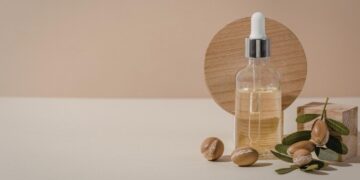
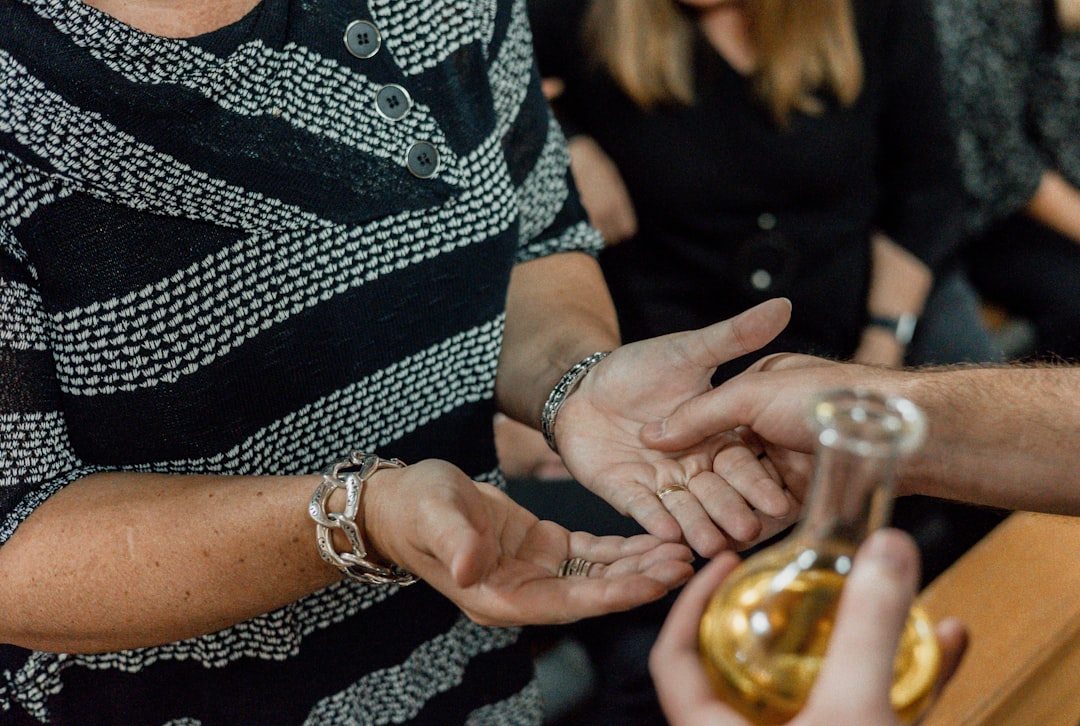
Argan oil is pressed from the fruit of the argan tree, which grows only in southwestern Morocco. It is rich in vitamin E and essential fatty acids, and it hydrates the skin, softens the hair, and strengthens the nails. You will find it at almost every souk stall, often sold in small glass bottles.
Buy the pure version: argan kernel oil only, without added fragrance, silicones, or unnecessary fillers. The ingredient list should have exactly 1 item. A few drops on damp skin at night is enough. A few drops worked through the ends of dry hair costs nothing extra.
In 2014, UNESCO added the knowledge and practices around argan oil production to its Representative List of the Intangible Cultural Heritage of Humanity. When you buy from a souk seller who sources from a women’s cooperative, you support that living heritage directly.
Ingredient 2: beldi soap and a kessa glove for deep cleansing
Beldi black soap is the cornerstone of the Moroccan hammam ritual. Made from crushed olives and potash, it is applied to the skin to soften dead cells before exfoliating with a kessa glove. You buy the soap in a small jar and the kessa glove on the same stall, usually for under 20 dirhams combined.
Use this pair once or twice a week, not daily. Apply the soap to damp skin, wait 5 minutes, then work the kessa glove in long strokes. The result is visible immediately: the skin looks brighter and feels smooth. This is your hammam at home, without the steam room.
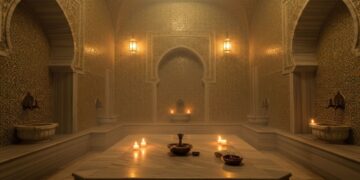
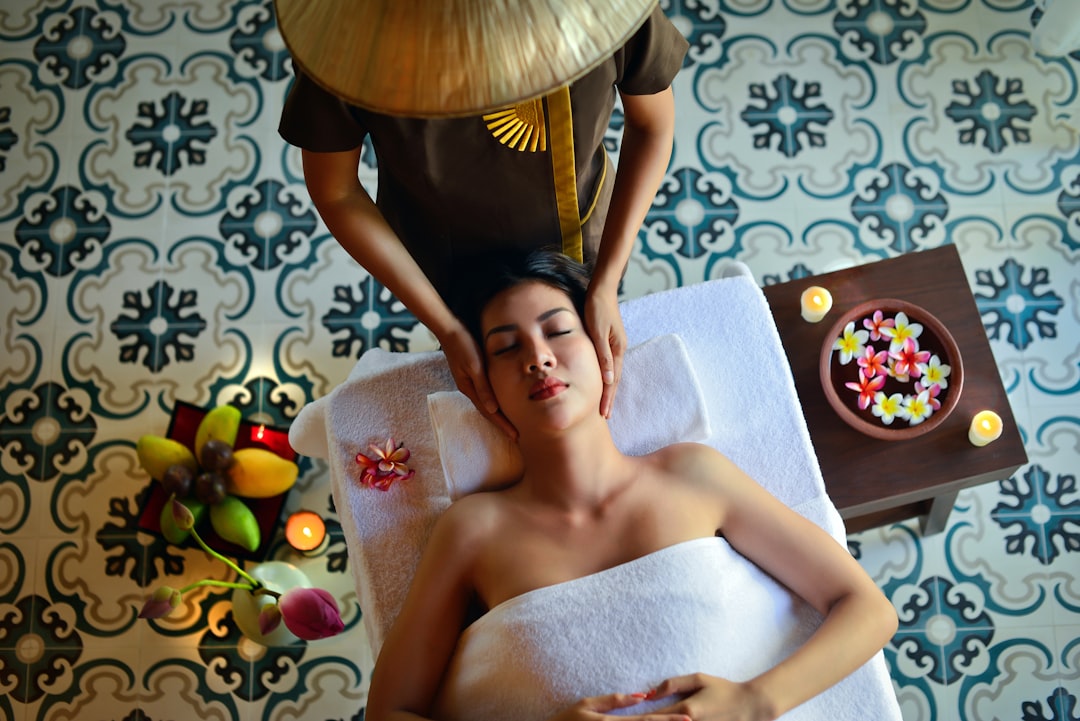
The traditional Moroccan hammam ritual uses black soap (beldi soap), the kessa glove, rhassoul clay, and argan oil to deeply purify and nourish the skin. Together these 4 items form the foundation of the entire routine.
Ingredient 3: rhassoul clay as your face and hair mask
Rhassoul, also known as ghassoul, is a volcanic clay mined from the Atlas Mountains. For centuries it has been used to cleanse skin and hair deeply without stripping away their natural oils. Its ability to absorb impurities and excess oil makes it an ideal ingredient for purifying masks and gentle cleansers.
You buy it dry in the souk, in small hard blocks or loose powder. Mix a small amount with warm water to form a paste. Apply it to your face for 10 minutes, then rinse. Apply it to the scalp and hair lengths before washing for a deep clean that leaves no residue.
Red Moroccan clay is rich in iron oxide and is excellent for oily and acne-prone skin. The nude or lighter variety is a milder alternative, perfect for sensitive and dry skin types. Ask the souk seller which type suits your skin. They will know.
An industry perspective on souk ingredients
Every ingredient sold in a Moroccan souk carries a story that no supermarket product can replicate. The women who produce argan oil by hand, who prepare beldi soap in small batches, and who package rhassoul clay in the Atlas region are the real authors of Moroccan beauty. When a consumer chooses souk ingredients over imported alternatives, they make a cultural and economic choice at the same time. These products work because they are simple and because they have been refined over many generations of daily use. The ritual matters as much as the ingredient. A 5-minute mask applied with attention and consistency produces better results than an expensive serum used carelessly. Moroccan beauty is not about the cost of a product. It is about the quality of the practice.
Industry perspective, natural beauty and heritage product professionals in Morocco
Ingredient 4: aker fassi as your natural color
Made from dried poppy petals and pomegranate skin, aker fassi is a vibrant, natural pigment used as a blush or lip tint. Usually sold in small clay pots or as a painted terracotta disc, it is activated by dipping a damp brush or finger into the surface. This traditional cosmetic has long been part of Moroccan bridal beauty rituals and gives a fresh, healthy flush that lasts all day.
This is the ingredient that surprises most people. It is makeup, made entirely from plants, sold openly in every souk. The color is a warm rose-red that works on all Moroccan skin tones. One small pot lasts for months.
Apply a small amount to the cheeks and blend quickly with a finger. Add a touch to the center of the lips for a natural look. No brushes needed, no primer needed, no setting spray needed.
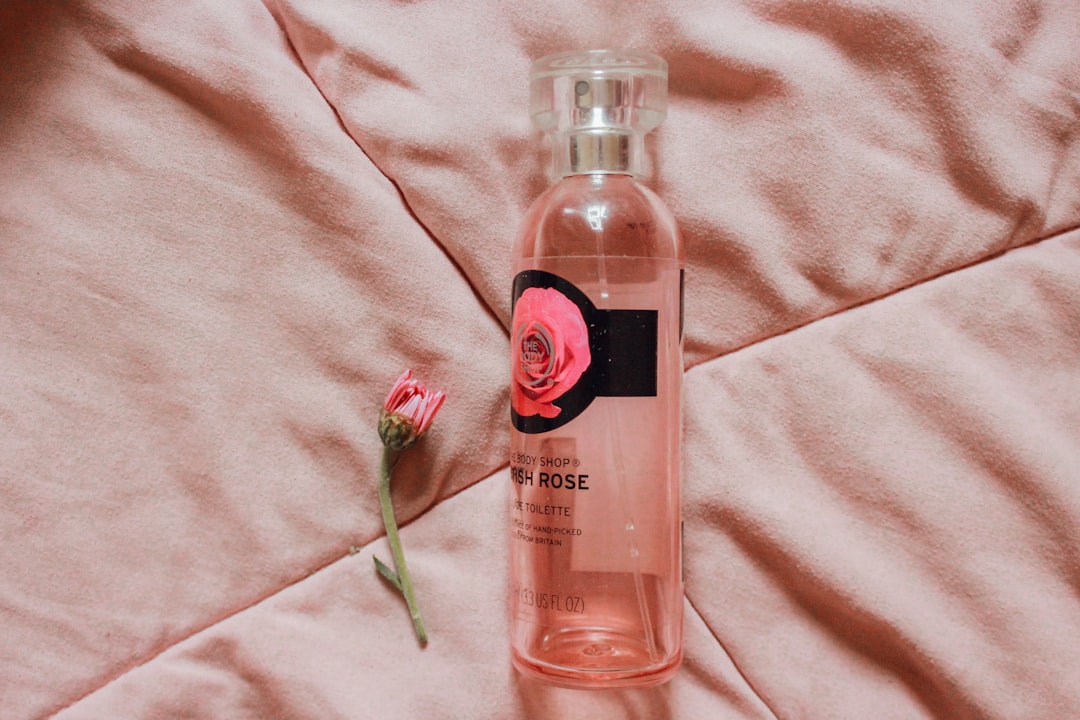
Ingredient 5: rose water as your daily toner
Rose water belongs in this kit as the simplest product of all. You find it in the souk in large glass bottles, sold by volume, at a price that makes the imported versions look unreasonable. Spray it on your face after washing in the morning. Use it to refresh your skin at midday. Apply it to your hair for a light, clean scent.



Harvested from the fragrant Damask roses in the Dades Valley, Moroccan rose water is a centuries-old beauty secret. The Dades Valley in the south is the main production area, and the product you find in a Moroccan souk is often fresher and purer than anything exported and repackaged abroad.

Rose water balances the skin after the kessa exfoliation and after the rhassoul mask. It also works as a light refresher between the hammam steps. Use it freely because it is gentle enough for daily use on all skin types.
Your complete Moroccan beauty kit
A Moroccan beauty routine does not ask for much. It asks for consistency and for respect toward ingredients that have earned their place over many generations. Your souk kit covers every step: daily moisture from argan, deep cleansing from beldi soap and kessa, mineral care from rhassoul, natural color from aker fassi, and toning from rose water.
This is complete Moroccan beauty in 5 products. Walk into any souk in Morocco, spend less than 150 dirhams, and you leave with everything. Share this guide with a friend who still thinks good skincare must be expensive. Tell them the souk has always been the answer.
Discover more about Moroccan beauty
- UNESCO Intangible Cultural Heritage: Argan practices and know-how, Morocco
- Argan oil co-operatives in Morocco pushed to the margins, The Ecologist
- Morocco’s Miracle Argan Oil, Morocco World News