

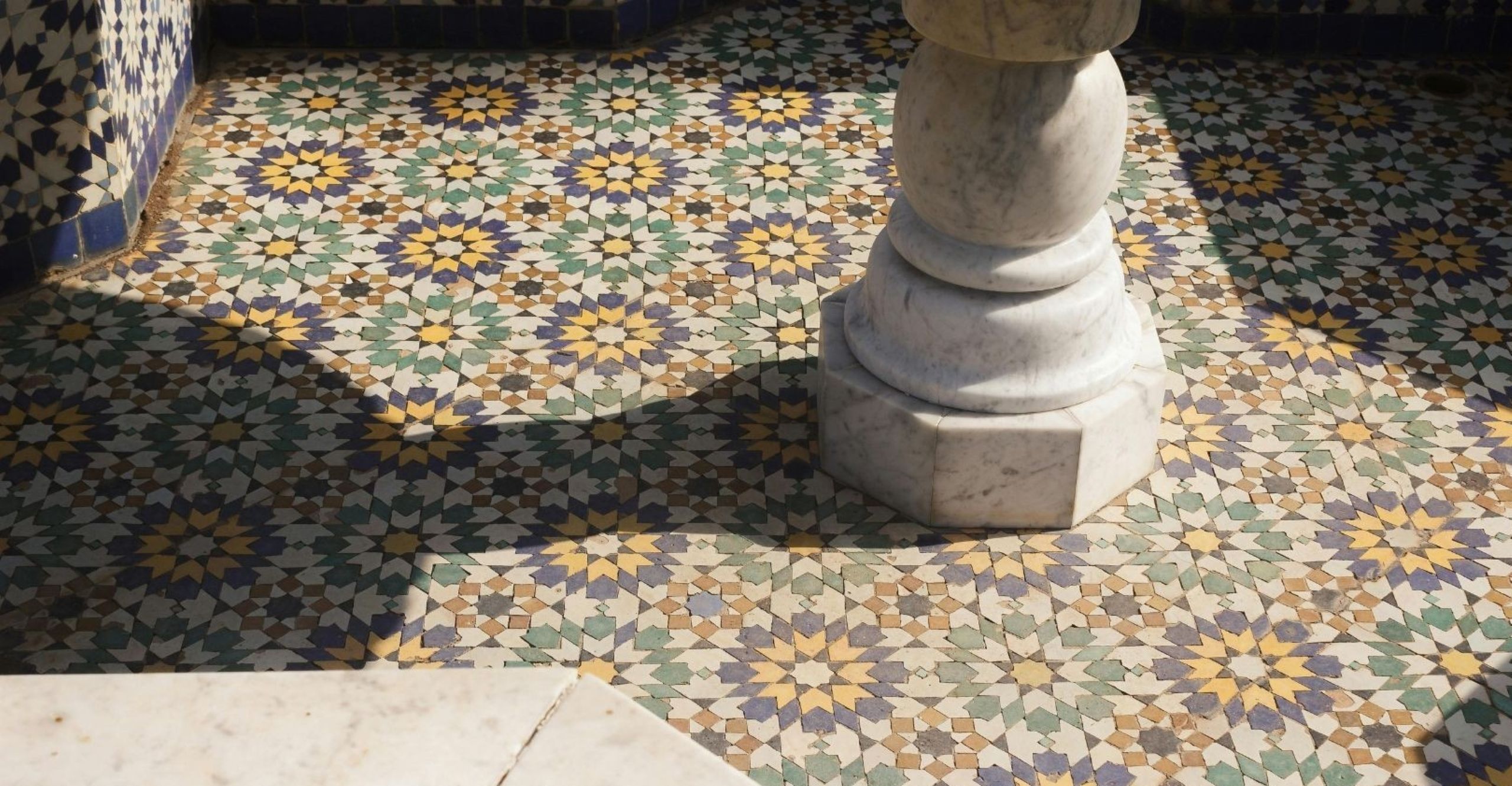
Moroccan tilework represents centuries of artistic heritage through intricate zellige patterns that transform spaces with geometric beauty. Furthermore, DIY enthusiasts can recreate authentic designs using accessible materials and techniques at home. Indeed, understanding traditional zellige craftsmanship inspires creative interior décor projects reflecting Moroccan cultural identity.
What Makes Moroccan Zellige Tilework Unique?
Zellige involves hand-cutting glazed terracotta tiles into geometric shapes. Consequently, artisans arrange pieces creating intricate mosaic patterns traditionally. Moroccan tilework dates back to 10th-century Islamic architecture.

Additionally, authentic zellige uses natural mineral-based glazes producing vibrant colors. Therefore, traditional palette includes cobalt blue, emerald green, and white. Moreover, geometric patterns follow mathematical principles ensuring perfect symmetry.
Each tile piece is individually chiseled by master craftsmen. For instance, one square meter requires approximately 400 pieces. Thus, traditional zellige remains labor-intensive and highly valued.
Which Materials Work for DIY Moroccan Tilework Projects?
Ceramic tiles in 5cm x 5cm sizes provide suitable base. Furthermore, glazed porcelain tiles offer durability and color variety. Hardware stores stock affordable options for home projects.
Tile adhesive specifically formulated for wall or floor applications. However, outdoor projects require weather-resistant adhesive types. Also, grout in contrasting or matching colors completes installation.
Tile nippers or manual tile cutters create custom shapes. Meanwhile, safety glasses and gloves protect during cutting process. Certainly, proper tools ensure clean edges and precise fitting.
Graph paper and colored pencils plan designs before execution. For example, sketch patterns ensuring accurate measurements and proportions. Besides, digital design software offers advanced planning options.

How Do You Create Simple Zellige-Inspired Projects?
Decorative mirror frame transforms plain mirrors into statement pieces. Nevertheless, measure mirror dimensions and add 10cm border width. Specifically, arrange tiles in geometric patterns around edges.
Kitchen backsplash accent adds Moroccan flair to cooking spaces. On the other hand, select focal area behind stove or sink. Additionally, coordinate tile colors with existing kitchen palette.
Tabletop mosaic creates functional art for outdoor or indoor. For instance, use old tables as base for tile projects. Besides, seal finished surface with waterproof coating protecting design.
Bathroom accent wall introduces luxury spa atmosphere authentically. Thus, select moisture-resistant tiles and adhesive products. Furthermore, incorporate traditional star and cross patterns beautifully.

What Moroccan Interior Designers Recommend for DIY
Fatima Benjelloun, Interior Designer, Casablanca Studio
“Moroccan tilework DIY projects require patience and planning always. Zellige-inspired designs transform ordinary spaces into cultural showcases remarkably. Additionally, starting with small projects builds confidence before tackling walls.”
“I encourage clients to study traditional patterns from Fes. Authentic zellige combines colors following specific cultural rules. Furthermore, modern interpretations blend heritage with contemporary aesthetics successfully. The key is respecting geometric precision while expressing creativity.”
Morocco Spring 2026: 7 Best Day Trips from Marrakech
Day trips from Marrakech offer the chance to explore some of Morocco's most spectacular landscapes and cultural treasures. Moreover, tourists...
Moroccan Real Estate Spring 2026: Buyer’s Guide
Real estate markets across Morocco experienced a revival in spring 2026, attracting domestic and foreign buyers. Furthermore, the sector is...
Morocco Eid al-Fitr 2026: 8 Best Festive Restaurants
Restaurants across Morocco are preparing exceptional Eid al-Fitr menus to celebrate the end of the holy month. These establishments combine...
Morocco Q1 Business 2026: 5 Post-Ramadan Strategies
The success of Moroccan companies throughout Q1 annually is determined by business strategy planning for the post-Ramadan period. Furthermore, the...
Which Traditional Patterns Suit Modern Homes?
Star and cross pattern remains most recognizable zellige design. Therefore, eight-pointed stars alternate with cross shapes traditionally. Currently, simplified versions work well for beginners.
Herringbone arrangement offers subtle Moroccan influence tastefully. As a result, rectangular tiles arranged diagonally create movement. Moreover, this pattern suits contemporary minimalist interiors.
Hexagonal honeycomb provides geometric interest without overwhelming spaces. Indeed, single-color or two-tone schemes maintain modern aesthetic. Also, this pattern scales easily for various project sizes.
Border designs frame larger surfaces with traditional motifs. Nevertheless, intricate patterns concentrate at edges while centers remain. Specifically, this approach balances tradition with modern preferences.

What Tips Ensure Successful DIY Tilework Projects?
Prepare surfaces thoroughly ensuring clean, level, and dry conditions. Meanwhile, prime walls improve adhesive bonding significantly. Certainly, proper preparation prevents future tile lifting or cracking.
Start from center point working outward maintaining symmetry. However, dry-lay tiles first confirming pattern accuracy completely. Also, use spacers ensuring consistent grout lines throughout.
Mix small adhesive batches preventing drying before application. For example, 30-minute working time requires efficient tile placement. Besides, clean excess adhesive immediately before hardening occurs.
Allow adhesive to cure 24-48 hours before grouting process. Thus, tiles set firmly preventing shifting during grouting. Furthermore, seal grout protecting against moisture and staining.
Conclusion: Bringing Moroccan Tilework Heritage Home
Moroccan tilework DIY projects celebrate cultural heritage through accessible creativity. Moreover, zellige-inspired designs transform ordinary spaces into artistic showcases.
Start with simple projects mastering techniques before ambitious installations. Furthermore, respect traditional patterns while adapting to modern aesthetics. Plan carefully using quality materials ensuring lasting results.
Connect with Moroccan design communities sharing projects and inspiration. Indeed, DIY tilework preserves artisan traditions through contemporary applications. Begin your zellige-inspired décor journey creating authentic Moroccan beauty.







مقال رائع وملهم! الزليج المغربي كنز فني، وجميل جداً أن نتعلم كيف ندمجه في ديكوراتنا البسيطة بلمسة شخصية. هذه المشاريع اليدوية (DIY) تعطي قيمة أكبر للمكان وتعرفنا أكثر على رقيّ حرفنا التقليدية. شكراً MAwebzine على هذه الأفكار المبتكرة.
مقال ممتع جداً وملهم! بما أنني أعيش في مدينة فاس، فأنا أرى جمال الزليج يومياً، لكن المقال أعطاني أفكاراً ذكية لإدخال هذه التحف الفنية في ديكورات منزلية بسيطة يمكن تنفيذها يدوياً. شكراً لكم على تشجيعنا على الحفاظ على هذا التراث بلمسة إبداعية شخصية.
🌟 عندما أفكر في الزليج المغربي، أشعر وكأنني أمام قصة طويلة من الإبداع والصبر تجسدت على بلاطات صغيرة، كل واحدة منها تحمل لونًا وشكلًا وروحًا متوارثة عبر قرون من التاريخ. الزليج لا يُقصَد به فقط تزيين الجدران أو الأرضيات، بل هو لغة هندسية تُحكى من خلالها حضارة كاملة، تذكّرنا بأن الجمال يمكن أن ينبع من أبسط الأشياء: قطعة طين، لون، ودقَّة يَدٍ صانعة
El zellige es la joya de nuestra arquitectura y me encanta ver cómo podemos llevar este arte a proyectos DIY modernos. Es una forma increíble de personalizar nuestro hogar con un toque de identidad y elegancia marroquí. ¡Un artículo lleno de inspiración para los amantes del diseño y la artesanía! 🎨🇲🇦