

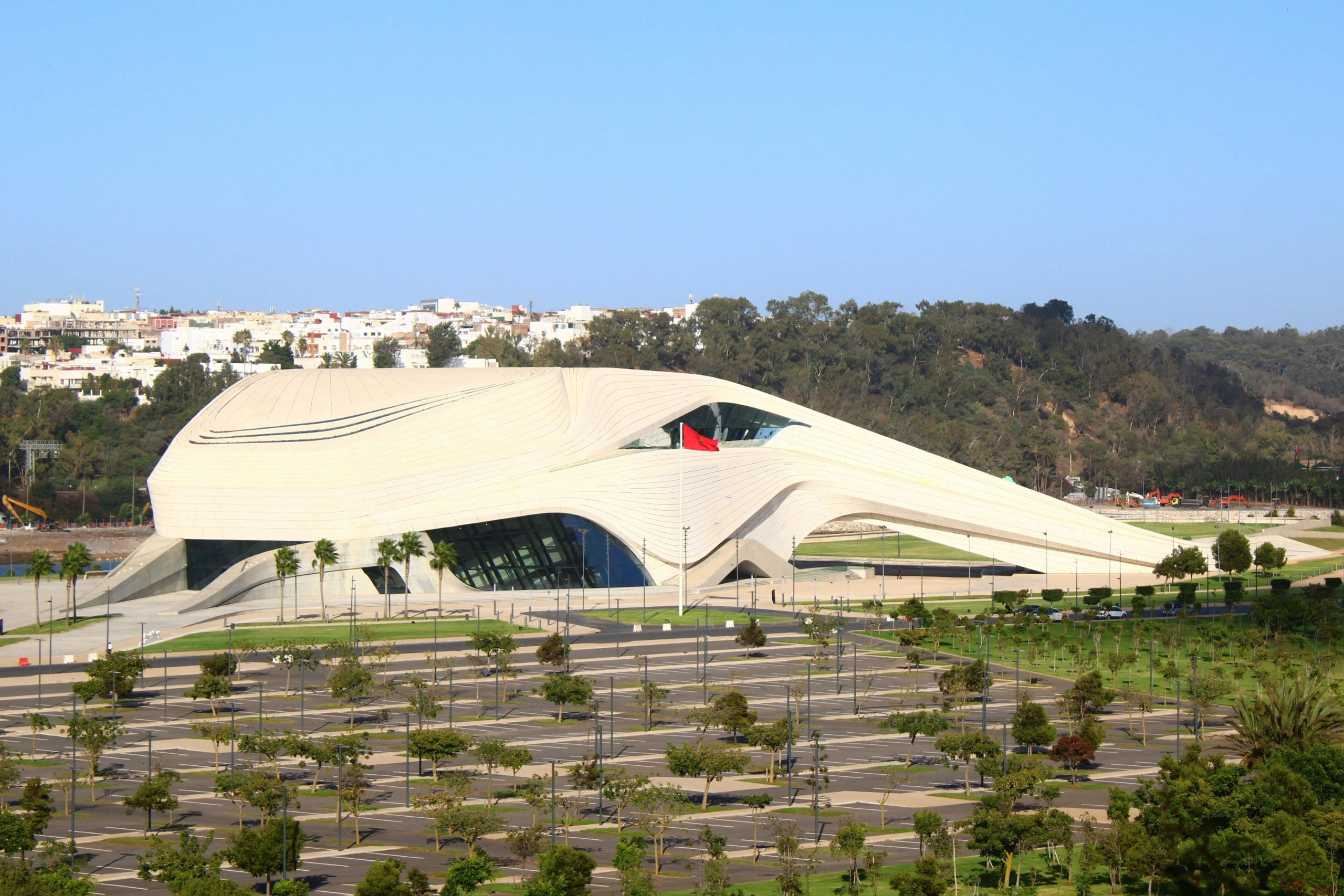
Royal Theatre Rabat: A Vision Decades in the Making
The Royal Theatre Rabat is not a recent idea. King Mohammed VI first announced this vision in the early 2000s, as part of a broader plan to position Morocco as a leader in arts and culture across Africa and the Arab world. The project reflects a clear national ambition: to build institutions that serve both citizens and artists.
Furthermore, the location itself carries meaning. Situated in Rabat — a UNESCO World Heritage city — the theatre stands as a bridge between Morocco’s ancient past and its modern future. The capital is already home to important monuments. This new landmark adds a living, breathing cultural centre to that list.

Royal Theatre Rabat and the Future of Moroccan Culture
The Royal Theatre Rabat represents more than a building. It is a statement about what Morocco values and where it is headed. By placing culture at the centre of national development, Morocco demonstrates that heritage and progress are not opposites , they are partners.
Therefore, this project deserves attention from anyone who follows architecture, culture, or African development. The Royal Theatre Rabat will inspire artists, welcome audiences, and show the world what bold cultural vision looks like. Watch this space , Morocco is building something extraordinary.





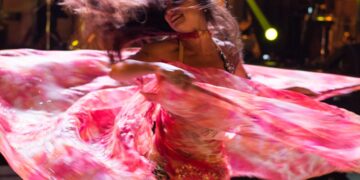
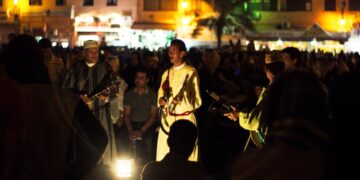





Llevo tiempo siguiendo los proyectos culturales en el norte de África y este es sin duda el más ambicioso que he visto. Lo que me llama la atención es que la visión fue anunciada por el rey Mohammed VI a principios de los 2000 y ahora, décadas después, se está haciendo realidad. Esa clase de continuidad en un proyecto cultural es rarísima. Ojalá pueda verlo en persona algún día.
Ce qui me touche dans ce projet, c’est précisément ce que l’article souligne sur Rabat comme ville patrimoine mondial de l’UNESCO. Construire un théâtre royal dans ce contexte, ce n’est pas un acte anodin. C’est une conversation entre les siècles, entre les monuments anciens et une institution culturelle vivante qui va accueillir de l’opéra, de la danse, du théâtre. J’espère sincèrement que la programmation sera accessible aux jeunes artistes marocains et pas uniquement tournée vers les productions internationales.
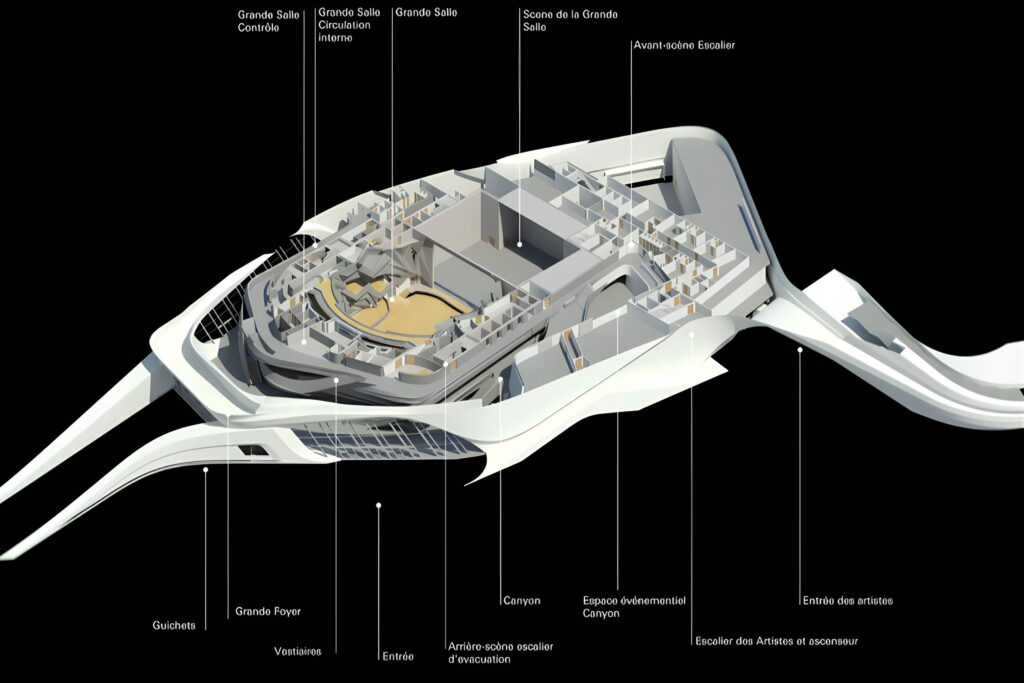
فكرة أن المسرح الملكي بالرباط سيضم فضاءات متعددة قادرة على استقبال الأوبرا والمسرح والرقص والحفلات الكبرى وفق معايير تقنية دولية، هذا هو المستوى الذي يجعل المغرب وجهة ثقافية حقيقية وليس مجرد سياحة تراثية. الجمع بين الهوية المعمارية المغربية والمعايير الدولية تحدٍّ صعب. لكن إذا نجح هذا المشروع في تحقيق هذا التوازن فسيكون مرجعاً لكل المنطقة.