

Moroccan dishes carry centuries of flavor, and many of them never needed wheat to taste extraordinary, here are 5 you can cook at home tonight.
Tagine: the heart of every Moroccan table
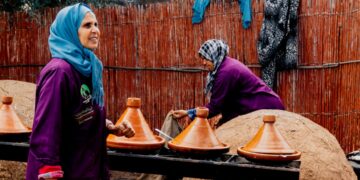
Moroccan cuisine is known for its use of spices, fresh ingredients, and traditional slow-cooking methods. Tagine sits at the center of all of this. Named after the conical clay pot it cooks in, a tagine is a slow-cooked stew built from meat or vegetables, olive oil, and a careful blend of spices. Cumin, turmeric, ginger, cinnamon, and saffron go in. Wheat does not.

Tagines, grilled meats, and veggie sides are naturally gluten-free but are often served and eaten with khobz, Moroccan bread. At home, you simply skip the bread or swap it for something else. Try a chicken tagine with preserved lemon and olives, or a lamb version with prunes and almonds. Both cook low and slow, filling your kitchen with a warmth that feels like a Casablanca afternoon. For vegetarians, a slow-cooked chickpea tagine with turmeric and preserved lemon offers fiber-rich comfort.
Zaalouk: a smoky salad that does everything
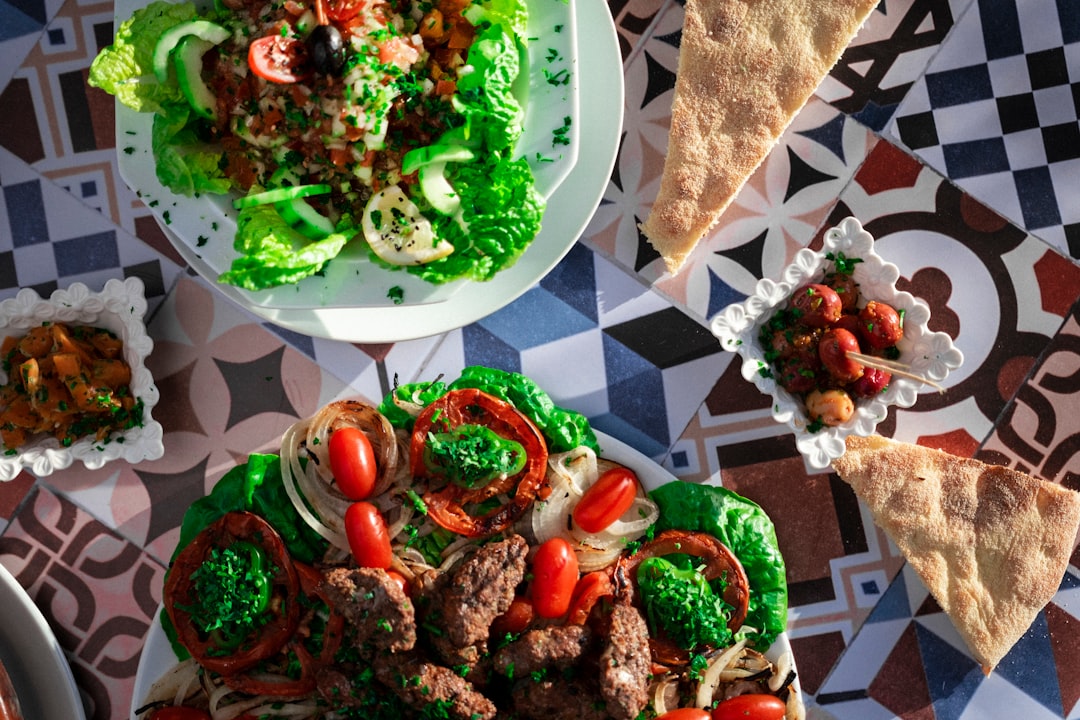
Zaalouk is a salad made of cooked eggplant and tomato intended to be eaten as a dip. Like most Moroccan salads, this one is naturally gluten free. My grandmother made it every Friday, pressing the eggplant until it collapsed into something silky and deep. That texture is the whole point.
The base of zaalouk is mashed eggplants, tomatoes, and garlic. It is spiced with cumin, black pepper, paprika, and cayenne for some heat. Cook everything together in a wide pan, mash it gently, and finish with olive oil and fresh coriander. The ingredients and the cooking method make it easy to prepare at home, and it can be served both as an appetizer or a main course. It pairs beautifully with grilled fish or simply on its own.
Chermoula: the marinade that transforms everything it touches
Chermoula is a marinade for fish and seafood, made from garlic, cumin, coriander, oil, lemon juice, and salt. It is one of those preparations that Moroccan cooks have always made by feel. You bruise the herbs, add the spices, pour the oil, and something completely alive comes together in a bowl.
Traditional Moroccan cuisine heavily relies on fresh vegetables, fruits, legumes, and meat. These are naturally gluten-free ingredients that form the base of many delicious dishes. Chermoula fits perfectly into this tradition. Use it to marinate sea bass or sardines before grilling. Spoon it over roasted cauliflower. Mix it into lentils. This easy chermoula recipe is packed with pungent flavors to elevate any simply prepared meat, seafood, or vegetables. At home, you can make a large batch and keep it in the fridge for 3 days.
An expert perspective on Moroccan food and dietary needs
Moroccan cuisine was never designed around restriction. It was designed around what the land offered: legumes, fresh produce, olive oil, and a complex spice culture developed over many centuries. When people today discover that so many traditional Moroccan dishes are naturally gluten-free, they are often surprised. But this is simply what good, honest cooking looks like. The focus has always been on flavor and nourishment, not on wheat as a structural ingredient. For home cooks, that means the path to a genuinely gluten-free Moroccan meal is not about substitution. It is about choosing the right dishes from a tradition that already has them.
Industry perspective, food culture and culinary heritage professionals in Morocco
Kefta mkaouara: meatballs in spiced tomato sauce
Kefta mkaouara is one dish that deserves attention on its own. Made with small, flavorful meatballs, this dish is cooked in a wonderfully zesty tomato sauce and topped with poached eggs. The meatballs contain ground beef or lamb, blended with onion, parsley, cumin, paprika, and a little cinnamon. No breadcrumbs are needed.
Prepare the sauce first. Simmer chopped tomatoes with olive oil, garlic, cumin, and paprika until thick. Roll the kefta into small balls and drop them directly into the sauce. Cover and cook for 15 minutes. Crack 2 or 3 eggs on top, replace the lid, and wait 5 more minutes. Moroccan butchers offer a wide variety of fresh meats like lamb, chicken, and fish. These protein sources are naturally gluten-free and perfect for incorporating into tagines, stews, or grilled dishes. Kefta mkaouara is one of the most comforting examples of this.




Kaab ghzal: almond cookies that need no flour
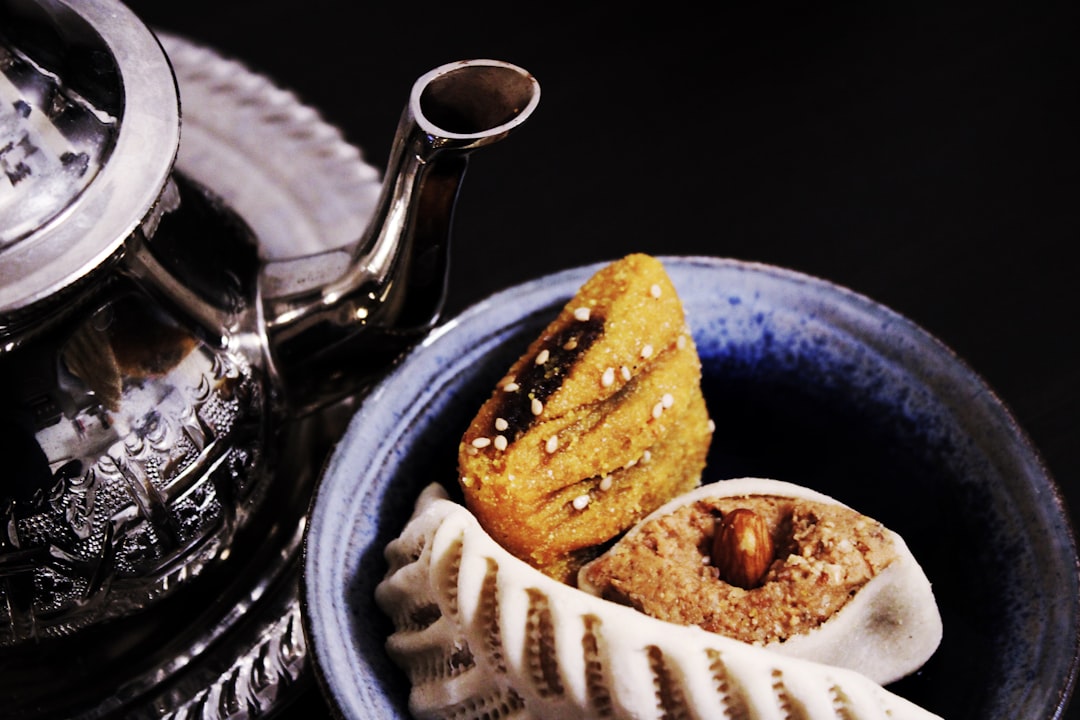
These Moroccan almond cookies are famous for their chewy centers and signature crackled tops. Made with almond flour and a touch of orange blossom water, they are naturally gluten-free and effortlessly delicious. Ghriba proves that a gluten-free dessert does not have to feel like a compromise. It feels like a celebration.
Mix ground almonds with sugar, an egg, a pinch of cinnamon, and a few drops of orange blossom water. Roll the dough into small balls, press gently, and bake at 180 degrees Celsius for 12 minutes. With their crumbly texture and aromatic almond flavor, these popular cookies are perfect for Ramadan and Eid. They are also perfect for any Tuesday when you need something sweet and honest. Serve them with Moroccan mint tea and watch them disappear from the plate in minutes.
Moroccan dishes belong on your table
Moroccan dishes carry something rare: a cuisine that is naturally abundant with gluten-free options, not as a modern adaptation, but as a simple reflection of how people here have always cooked. Moroccan cuisine’s reliance on natural ingredients makes it ready for gluten-free cooking. These 5 recipes ask only for fresh produce, good olive oil, and the right spices.
Try 1 dish this week and build from there. Tagine on a cold evening, zaalouk as a starter, kaab ghzal with your afternoon tea: Moroccan dishes are waiting to become part of your regular kitchen routine. Share what you cook, and tell us which recipe felt most like home.
Discover more about Moroccan dishes
- No Wheat, No Worries: A Gluten-Free Guide for Foodies in Morocco
- Nutritional Quality of Gluten-Free Products in Moroccan Supermarkets, AGRIS/FAO Research Record
- Essential Gluten-Free Guide to Morocco, Legal Nomads