
Moroccan drinks have always known how to answer the heat, long before air conditioning arrived in our homes, our grandmothers had already mastered the art of staying cool with a glass, a handful of herbs, and generations of quiet wisdom.
Atay: the drink that starts every conversation
Moroccan mint tea, known locally as atay, is the country’s national drink. This sweet, refreshing beverage is made by steeping green tea with fresh mint leaves and sugar, creating a comforting, aromatic drink that is a staple in Moroccan culture.

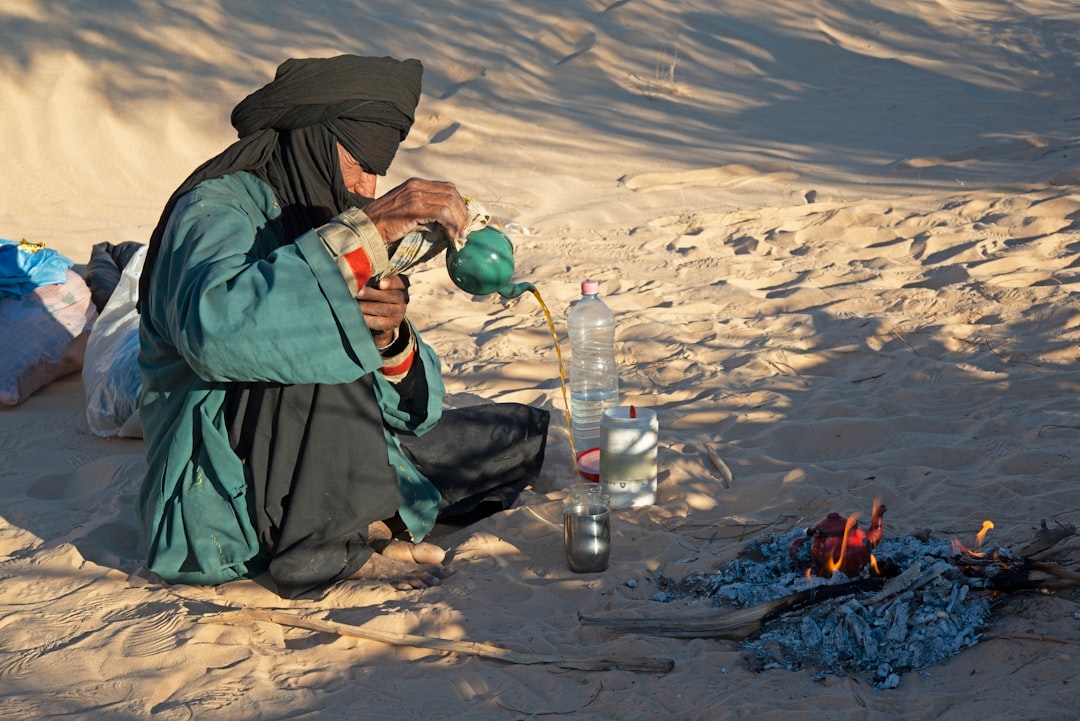
Traditionally, atay is prepared by bringing fresh nana mint, gunpowder green tea leaves, and sugar to a boil in a teapot, then poured from high above the glass to swirl air through the brew. That high pour is not just theatre. It aerates the tea and brings out its flavour, while also allowing the person pouring to show their hospitality to guests.
Even during the peak of summer in Morocco, when temperatures are extreme, you will find locals drinking atay. It is an essential part of the culture and has been for thousands of years. Some families now serve it cold over ice, with a squeeze of lemon. The ritual stays the same.
Sharbat: fruit, water, and summer in a glass
When summer temperatures rise, Moroccans turn to sharbat, a refreshing drink made from fruit syrups diluted with water or milk. Common variations include almond, rose, and orange blossom.
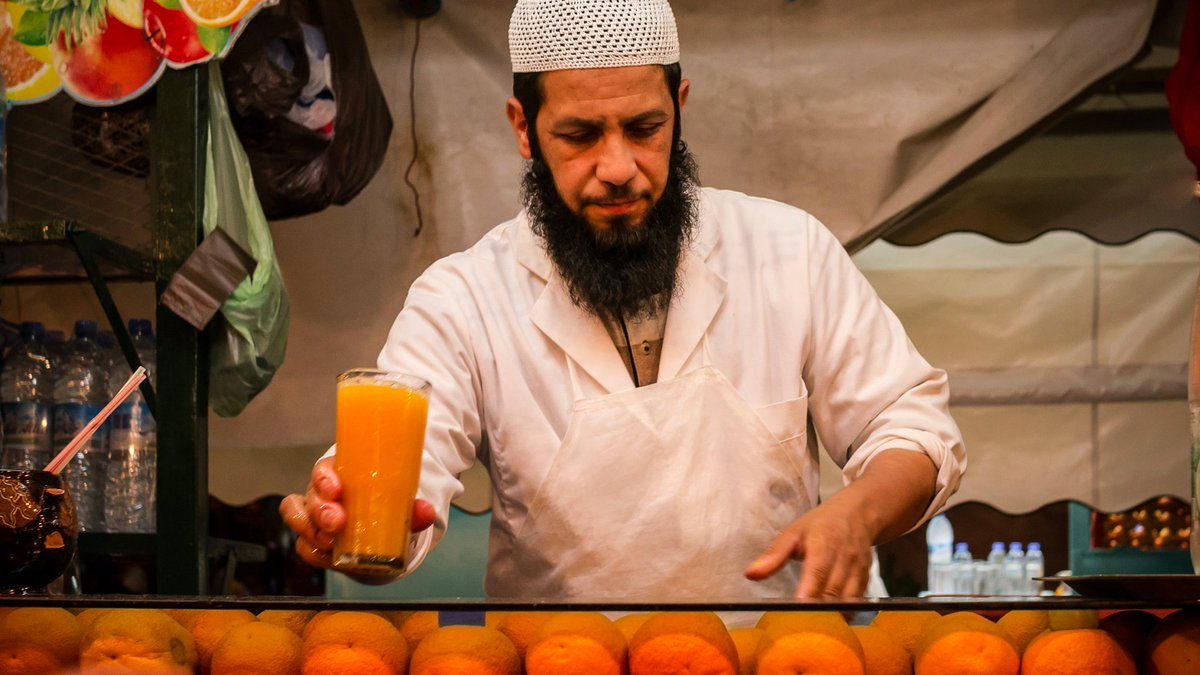
Sharbat is also made from fruit juice, such as watermelon, strawberry, or lemon, combined with water and sugar. It is especially popular during summer to reduce thirst and is served cold. You will find it at street stalls across Marrakech, Fes, and Casablanca, poured into tall glasses with no ceremony except the heat that makes you reach for a second one.
The drink’s popularity rises further during Ramadan, when it is often served at iftar for its revitalising properties. Outside of Ramadan, sharbat belongs to anyone standing under the June sun.
Lben: the cooler from the countryside
Lben is a traditional Moroccan drink made from fermented yogurt. It is a tangy, cooling drink often served with meals and especially popular during the hot summer months.
In every region of Morocco, you will be served lben as a side dish to your couscous, and raïb, the traditional Moroccan yoghurt, to delight your taste buds. Both are part of the everyday summer table. Lben is the one you drink on the way in from the heat before you even sit down.
Lben can be consumed alone or with meals and is particularly popular during warmer months for its cooling effects. You will also find sweet versions flavoured with rosewater or orange blossom, which give it a delicate, aromatic taste.
An industry perspective on Moroccan heritage drinks
Morocco’s non-alcoholic drink culture carries centuries of botanical knowledge. Ingredients like orange blossom water, rosewater, dried hibiscus, and fermented dairy are not simply flavour choices. They represent a sophisticated understanding of heat, digestion, and the body’s needs in a hot climate. As international interest in functional and heritage beverages grows, these traditional recipes are gaining recognition far beyond North Africa. The global wellness industry is only now beginning to explore what Moroccan families have practised at the table for generations. There is real cultural and commercial value in preserving and sharing these formulas authentically.
Industry perspective, food heritage and beverage professionals in Morocco
Jus de bissap: the red drink everyone is rediscovering
Hibiscus water, known locally as jus de bissap, stands out with its striking ruby red colour and unique sweet and tart flavour. This non-alcoholic beverage has gained popularity as a summer refresher, often served over ice with a hint of mint. Its natural cooling properties make it a favourite during hot afternoons.
Jus de bissap is made from dried hibiscus flowers and sugar. It is refreshing, popular in summer to help with hydration, and has a sweet, sour, fruity taste. Many younger Moroccans are returning to this recipe, often adding ginger or lemon for a more personal touch.
Hibiscus tea in Morocco, sometimes called karkade, is a beautiful mix of colour and flavour. This bright red drink, steeped with dried hibiscus flowers, is often enjoyed hot or cold, with a tart, cranberry-like taste. Cold is the clear summer choice.




Zaza and sharbat al-louza: the creamy pair
For something more substantial, the avocado smoothie called zaza is a unique and delicious option. Blended with milk, sugar, and nuts or fruits, this creamy drink is both nutritious and refreshing. Its rich texture and cool temperature make it a satisfying treat on a hot day.
For a taste of Moroccan sweetness, sharbat al-louza is a must-try. This traditional almond drink is made by blending ground almonds, sugar, and water or milk. It is often flavoured with a touch of rosewater, giving it a fragrant aroma.
This almond drink is often served during festive occasions like weddings and religious holidays, making it a special treat for anyone looking to experience the rich cultural traditions of Morocco. At home on a Tuesday afternoon in June, it works just as well.
Moroccan drinks deserve a place in your summer routine
While Morocco is often associated with rich tagines and aromatic couscous, the country’s drink culture is just as vibrant. For centuries, Moroccans have mastered the art of creating refreshing drinks that are not only about quenching thirst but about embracing the senses.
These 6 Moroccan drinks are not museum pieces. They live in homes, souks, and café terraces right now, in June, in the middle of the heat. Each one carries a recipe, a memory, and a reason to slow down. Try 1 this week. Share it. Pour it from a little height. That is how these Moroccan drinks stay alive, from one summer to the next.