

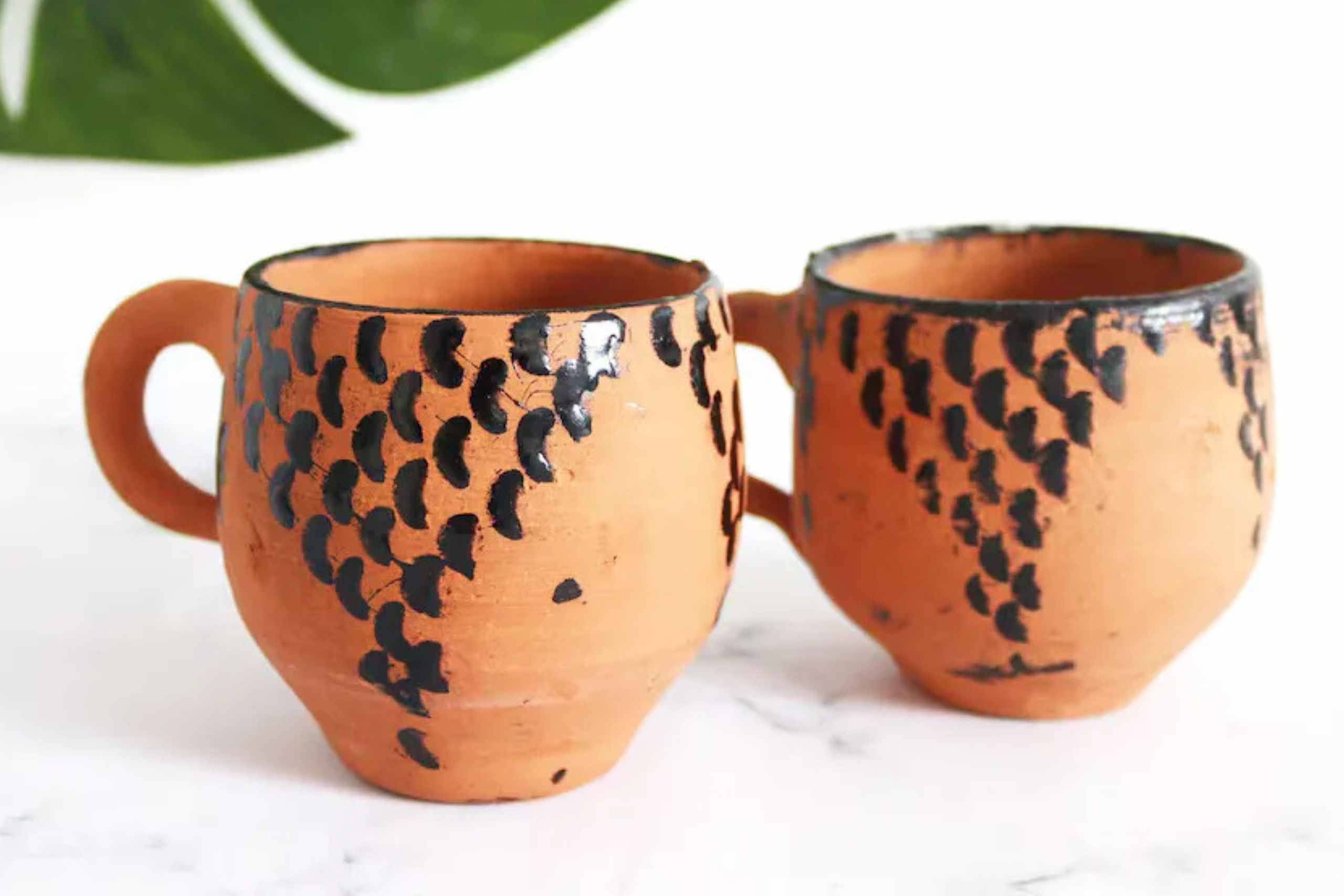
Morocco’s Secretariat of State for Crafts and the Social and Solidarity Economy has officially banned the use of tar in the production and decoration of clay food pottery. The decision follows tests carried out on samples of tar-coated pottery that returned alarming results. The ban, communicated through a formal circular, marks one of the most direct public health interventions the craft sector has seen in years.
What the laboratory tests found
Analyses conducted on samples of tar-treated clay products revealed high levels of harmful chemical elements, including arsenic, aluminum, and cobalt. These substances can migrate into food during everyday use of the utensils, creating a direct health risk for consumers. The results confirmed elevated concentrations of dangerous chemical compounds, including aluminum, cobalt, and arsenic. These substances are capable of transferring into food and represent a proven risk for consumer health. The findings leave little room for ambiguity: tar, a material that many potters have used for generations to seal and decorate their work, is incompatible with safe food contact. The scale of contamination detected in tested samples suggests the problem is not isolated to a handful of workshops but potentially affects a wider portion of the artisan ceramics market.

The official ban and how it was issued
In a circular addressed to the presidents of craft chambers and to regional and provincial directors, Secretary of State Lahcen Saadi indicated that the analyses showed high concentrations of aluminum, cobalt, and mercury that are highly harmful to health. The circular imposes a halt to the use of tar across all pottery and ceramics that come into contact with food. This formal instruction channel, reaching both regional directors and chamber presidents, ensures the ban carries institutional weight at every level of the artisan supply chain. The directive applies to tar in all its uses within the sector, whether applied as a sealant, a decorative coating, or a traditional finish on items sold for cooking, serving, or food storage.
Awareness campaigns to reach artisans on the ground
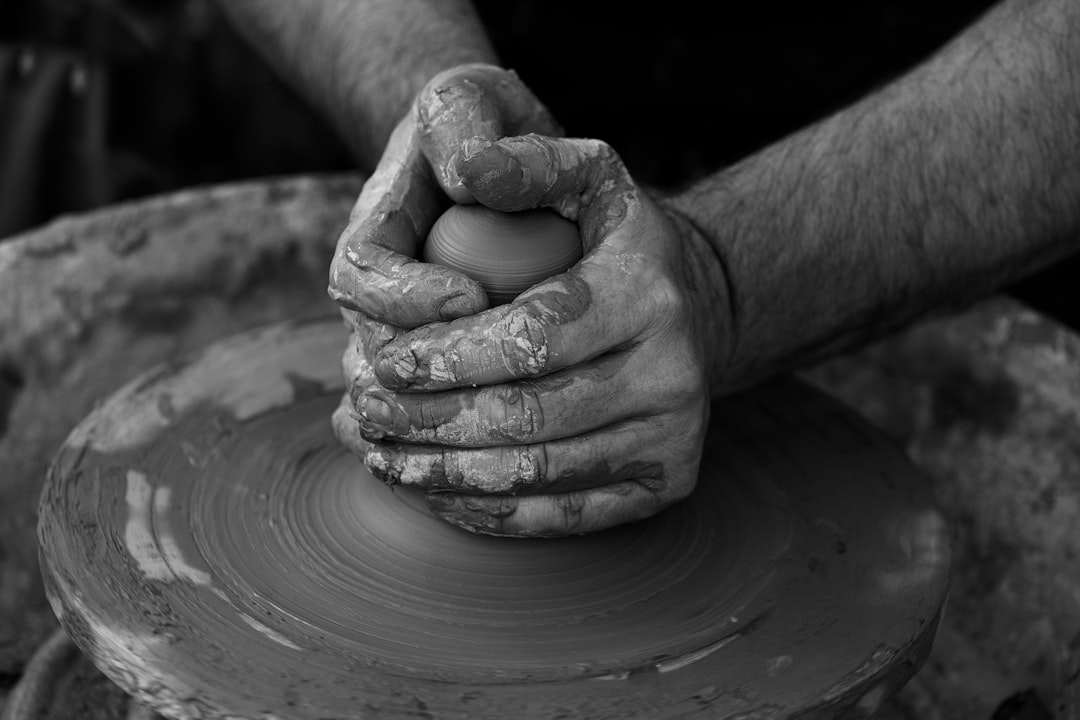
The department has asked regional and provincial services to carry out awareness and communication campaigns targeting artisans and professionals in the pottery and ceramics sector, particularly those who specialise in utensils intended for food use. The objective is to inform them of the dangers linked to tar use, encourage them to abandon the practice, and adopt safe alternatives, in order to protect public health and strengthen the quality and competitiveness of Moroccan artisan products. The campaigns represent an acknowledgement that banning a material by circular alone is not sufficient. Many potters, especially in rural production zones, rely on traditional recipes and materials passed down through workshops. Reaching them requires direct engagement through the chamber networks and provincial offices that already maintain contact with these communities.
Implications for consumers and the export market
The practice of using tar remains widespread in certain production zones, and beyond the health dimension, the measure also aims to strengthen the compliance of Moroccan artisan products. French authorities had already issued a warning about Moroccan clay cups sold in France, citing excessive levels of aluminum, arsenic, and cobalt. The alert was distributed through the RappelConso platform following the discovery of these toxic substances in cups sold at a shop in Béziers, in southern France. That international recall episode underlines the cross-border dimension of the problem: when Moroccan pottery enters export channels without meeting food-safety standards, the reputational and commercial consequences extend well beyond domestic markets. The new ban, if properly enforced, positions Morocco to address that vulnerability and restore confidence in its clay craft exports.
What comes next for the sector
Morocco’s craft pottery sector is a pillar of both cultural identity and export revenue. Phasing out tar requires artisans to identify safe, tested alternatives that preserve the traditional appearance and durability of their products without the associated toxicity. Over time, this shift can strengthen trust in Moroccan pottery, including on export markets and among families who buy these products at home or abroad. For consumers already in possession of tar-coated clay utensils, the recommendation is clear: prioritise pottery and ceramics that are guaranteed tar-free for any food use, and ask artisans and retailers directly about the origin and treatment of the items. The Secretariat’s next challenge is ensuring compliance across a fragmented and largely informal production landscape.






Based on reporting by Médias24 (medias24.com)