

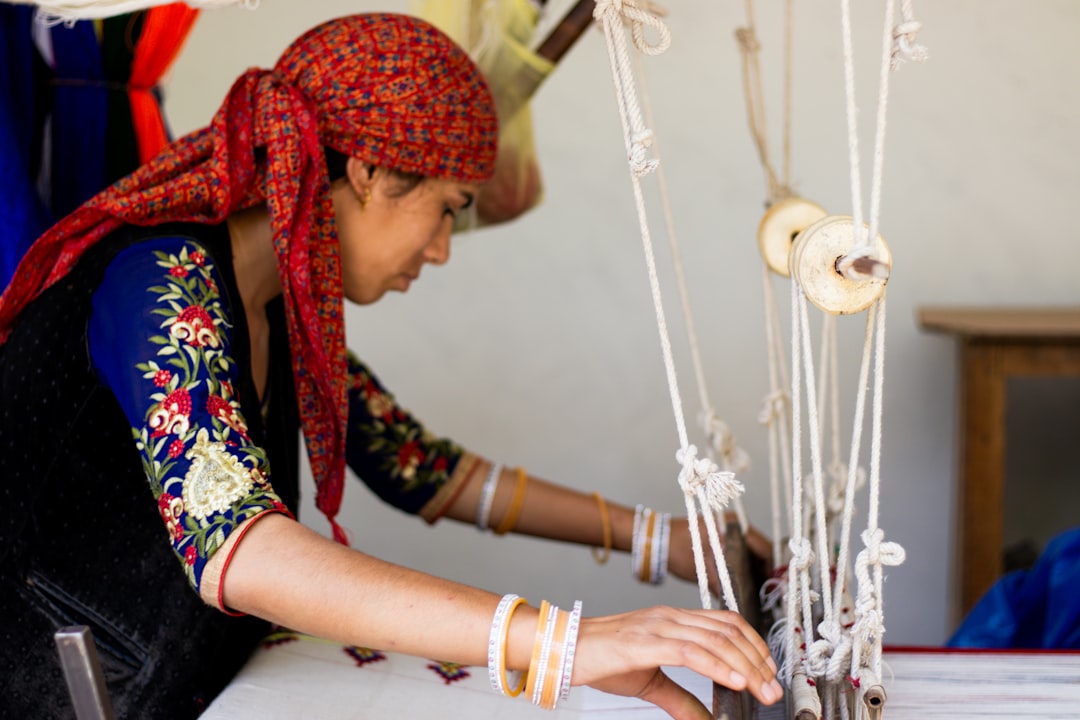
Women cooperatives in Morocco now number 7,891, and the products reaching European shelves tell a story of deliberate, data-backed diversification that most business reports still miss.
The scale most analysts overlook
In 2025, there were 7,891 women’s cooperatives in Morocco, comprising more than 73,000 members. They involve 267,000 women who farm, produce, and sell products ranging from embroidered textiles and carpets to livestock, agricultural products, and cosmetics. That is not a niche sector. That is a structured industry.

61% of women’s cooperatives in Morocco are located in rural communities. This concentration matters because rural Morocco is often viewed as an economic gap. These cooperatives convert that gap into productive capacity. Cooperatives were first established as a response to limited employment opportunities for women seeking financial independence and solidarity. They have since transformed into an economic force in both agriculture and artisanal production.
In 2005, King Mohammed VI introduced the National Human Development Initiative (INDH), which has since supported over 22,000 projects, including more than 6,000 cooperatives across Morocco. Alongside fostering economic growth, the INDH emphasized empowering women, particularly in rural areas. That policy commitment created the infrastructure that today’s entrepreneurs build on.
Beyond argan oil: what the sector data shows
Argan oil built the model. It is no longer the only story. The handicraft sector dominates with 2,986 members, followed by agriculture with 2,695 members, confirming the importance of these two sectors for women. The argan sector ranks third with 1,841 members. Other sectors, such as food products and medicinal and aromatic plants, demonstrate a diversification of activities.
Emerging sectors such as tourism and waste treatment remain marginal but show potential for future innovation and growth. Several cooperative leaders already act on this potential. One cooperative president in the Souss region is carrying out a pilot project planting aromatic herbs and saffron between argan trees. She has also opened a small restaurant serving traditional dishes to tourists. She is actively seeking alternatives to argan oil production.
That shift is strategic, not reactive. Control over the argan oil trade has shifted to intermediaries supplying larger corporations, and the survival of cooperatives and women’s access to vital income are increasingly threatened. Diversification is the rational business response.
Saffron and medicinal plants: the emerging export categories
Saffron production shows how rural cooperatives can capture global commodity value. Mohamed Basaid, President of the Moroccan Interprofessional Saffron Federation, confirmed that production is projected to reach 6 tons, up from 5 tons in 2023. The increase is attributed to recent rainfall in the Souss-Massa and Draa-Tafilalet regions. Women cooperatives drive that harvest.
The Amagar cooperative in Azilal province shows how fast growth can happen in this sector. In 2016, Fatima Amaguar founded Amagar and began with a group of 5 women picking thyme. The cooperative taught the women how to harvest thyme without damaging the plant, and how to dry and preserve the picked leaves. By 2018, in only its third year of operation, Amagar had grown into a 122-member-strong agricultural cooperative, and its sales of thyme generated a turnover of 620,000 Moroccan dirhams in that year alone.
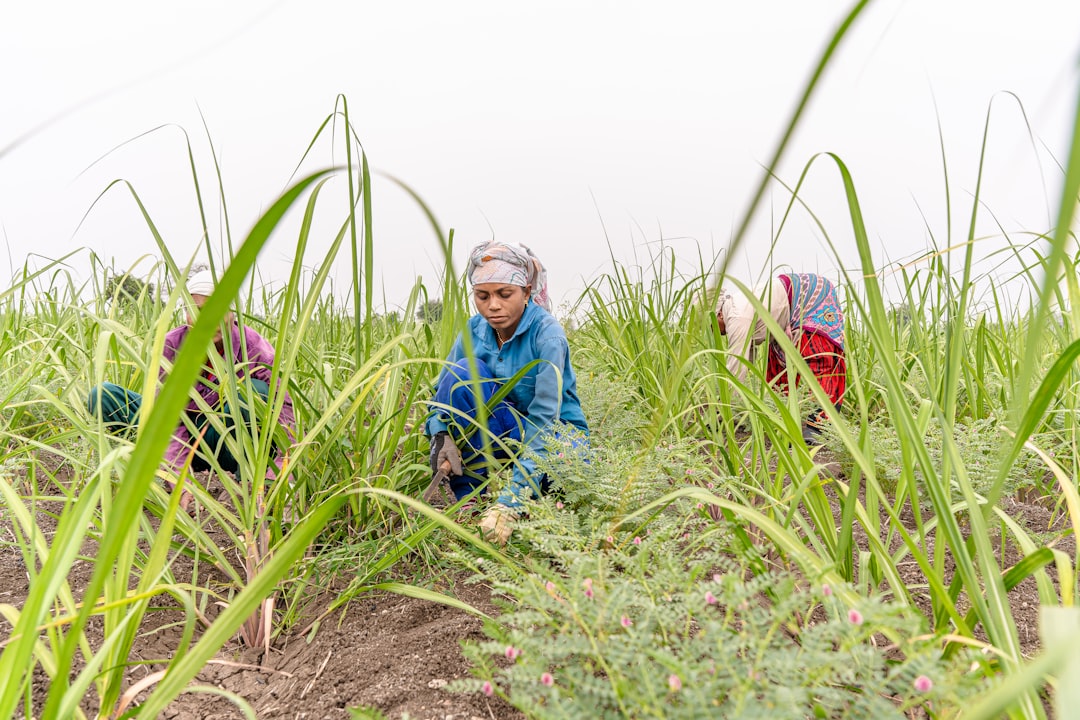
In the Khénifra National Park region, 24 women members of 12 cooperatives learned about sustainable ways to manage natural resources and non-timber forest products. Participants visited local cooperatives specializing in biochar and saffron production, as well as the sale of medicinal and aromatic plants. These are not subsistence activities. They are export pipelines in formation.
Expert perspective on women cooperatives and sustainable investment
The evidence from Morocco’s rural cooperatives is consistent and compelling. Cooperatives that diversify beyond a single product line show greater financial resilience and stronger member retention. When women control the value chain from production through to pricing, the economic multiplier effect on the surrounding community is significantly higher than in wage-labor models. Morocco’s position as a trade bridge between Europe and Africa gives these cooperatives a structural export advantage that investors still underestimate. The key constraint is not market demand. It is access to working capital and digital market infrastructure. Addressing those 2 gaps would accelerate growth across the entire sector.
Industry perspective, sustainability and investment professionals in Morocco






How cooperatives build financial independence at the household level
The business impact of women cooperatives reaches beyond revenue figures. Findings from multilevel research reveal that cooperatives fostering leadership roles, economic opportunities, and participatory governance significantly enhance women’s autonomy and control over resources.
These cooperatives provide thousands of women with a stable source of income, enabling them to support their families and invest in their children’s education. Many members have learned to write, read, and use mathematics through these cooperatives. As women gain financial independence, they also gain influence within their households and communities.
Cooperatives actively promote sustainable harvesting practices, tree replanting, and environmentally responsible production. Improved literacy and numeracy programs funded through cooperative income have brought major improvements in health and quality of life. This is a measurable return on the cooperative model, beyond profit.
Conclusion: women cooperatives as a scalable rural business model
Women cooperatives in Morocco are not a development story. They are a business model with verified scale, real export potential, and a demonstrated ability to generate income across multiple product categories. These cooperatives significantly contribute to sustainable territorial development by harmonizing economic growth, social inclusion, and environmental conservation. However, persistent financial and technical constraints hinder their full potential. Closing those gaps, through targeted credit, digital tools, and market access, is where the next round of investment should focus. Women cooperatives in Morocco have built the foundation. The next phase is scale.
Track the businesses shaping Morocco’s economy on MAwebzine and share this article with investors and partners who need to see the rural opportunity clearly.
Discover more about women cooperatives
- How Women’s Cooperatives in Morocco Are Boosting the Economy (Borgen Project)
- From Technological Innovation to Social Innovation: The Role of Moroccan Women’s Cooperatives (IJRISS)
- Faced with competition from big business, Morocco’s argan oil cooperatives are being forced to close (Equal Times)