
CONTACT
  • Login
Upgrade
MAwebzine
Advertisement
  • Home
    • Our Authors
    • MAwebzine Readers Club
    • Media Kit
    • Contact
    • Cookie Policy
    • Terms and Conditions
  • News
  • Vibes
  • Culture
  • Sports
  • Travels
  • Business
  • World
  • Well-being
  • Local Guide
    • Activities in Morocco
    • Hotels in Morocco
    • Nightlife in Morocco
    • Restaurants in Morocco
    • Services in Morocco
    • Shopping in Morocco
  • APP
  • Home
    • Our Authors
    • MAwebzine Readers Club
    • Media Kit
    • Contact
    • Cookie Policy
    • Terms and Conditions
  • News
  • Vibes
  • Culture
  • Sports
  • Travels
  • Business
  • World
  • Well-being
  • Local Guide
    • Activities in Morocco
    • Hotels in Morocco
    • Nightlife in Morocco
    • Restaurants in Morocco
    • Services in Morocco
    • Shopping in Morocco
  • APP
No Result
View All Result
MAwebzine
No Result
View All Result
Home Sustainable living

Capsule wardrobe from Moroccan cooperatives

How to dress with intention, heritage, and quality that fast fashion will never match.

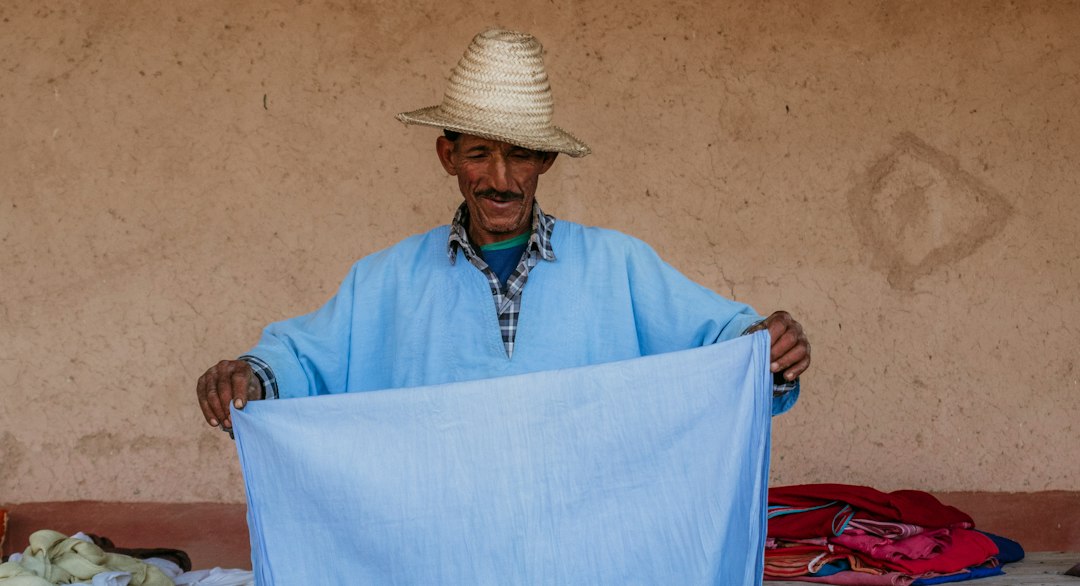
A Moroccan artisan weaving fabric inside a cooperative, showing the process behind building a capsule wardrobe

A capsule wardrobe built from Moroccan cooperatives is one of the most practical and meaningful choices a conscious dresser can make today, because every piece connects your daily life to the hands that shaped Moroccan culture across generations.

Why cooperative clothing lasts longer than fast fashion

Morocco’s handicraft sector is large and serious. Handicrafts contribute 7 percent of GDP and employ 2.7 million people, which the ministry describes as the country’s second-largest source of work. That scale tells you something important: cooperative clothing is not a niche product. It is the backbone of a national craft economy.

Garment construction in cooperatives often involves traditional techniques passed down through generations, ensuring that each piece carries history and purpose. Skilled artisans pay attention to every detail, creating a final product that is aesthetically pleasing and incredibly durable. Durability is exactly what a capsule wardrobe needs.

Fast fashion replaces itself constantly. Cooperative textile production does the opposite. Brands working with Moroccan artisans use locally sourced materials including vegetable-tanned leather and upcycled fabrics. The focus on long-lasting, timeless design promotes slow fashion and encourages investment in pieces that last for years.

How to choose the right cooperative pieces for your wardrobe

A strong capsule wardrobe needs a small number of versatile items that work across all seasons. In Morocco’s climate, this means lightweight layers for warm months and warmer woven pieces for the Atlas evenings in winter. Start with 3 core categories: woven outer layers, structured daily garments, and artisan footwear.

For woven layers, look for cooperatives that work with handwoven wool and organic cotton. Some labels use sustainable fabrics including organic cotton, recycled fibers, and handwoven wool sourced from local cooperatives. These materials breathe well in heat and insulate gently in cold. One quality piece replaces several cheap alternatives.

Install the MAwebzine App
Always stay up to date with the latest news from Morocco.
Install now →

For daily garments, consider the heritage of the kaftan and djellaba reinterpreted for contemporary wear. Designers have deconstructed classic Moroccan garments into wearable jackets, dresses, and shirts for everyday use. Unused silk yarn from local craftsmen is collected and rewoven into new pieces. That approach turns traditional dress into something genuinely wearable on the street rather than reserved for ceremony.

Where to find authentic cooperative textile producers

Morocco has a well-organized network of cooperatives across every region. The Anou Cooperative is an award-winning collective of over 600 artisans from cooperatives, associations, and workshops across Morocco. It is owned and managed by Morocco’s artisan community and is open to all authentic artisans committed to quality and transparency.

The cooperative movement in Morocco gained significant legislative momentum after 2010, when the government passed laws simplifying cooperative registration and providing tax incentives for cooperatives in disadvantaged regions. The International Labour Organization and various European development programs have also invested heavily in cooperative capacity-building, particularly for women’s groups.

Additionally, Morocco’s Handicraft Ministry, the Maison de l’Artisan, cooperatives, and businesses striving for artisan empowerment actively work to forge change. Efforts by these stakeholders have provided more direct power to artisans and increased the sustainability of handicraft trades. When you buy through verified cooperatives or platforms connected to these networks, you know your money reaches the maker directly.
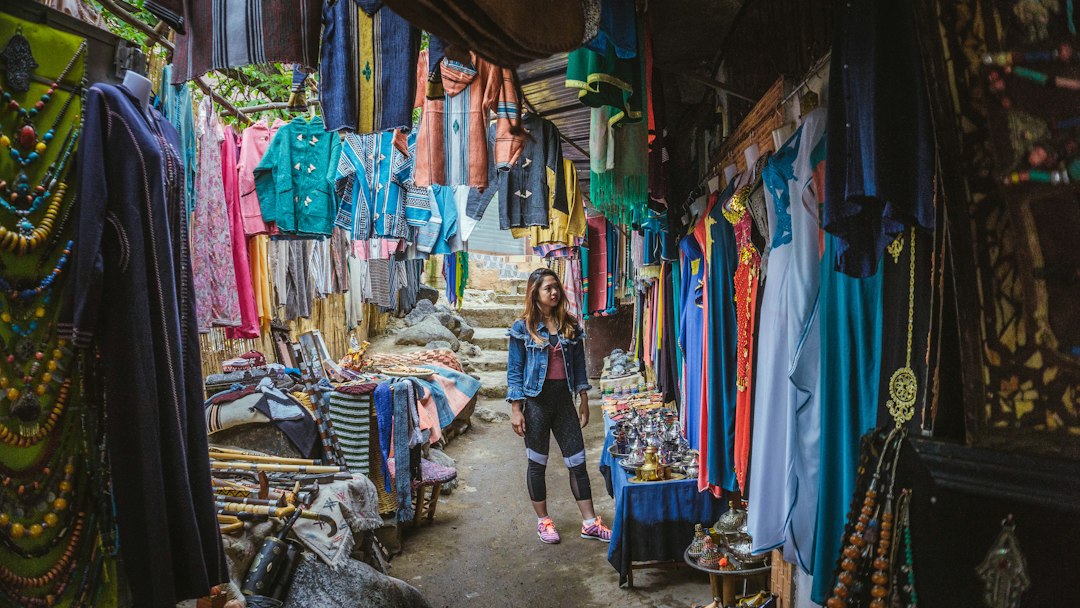

A woman selecting handcrafted garments in a Moroccan medina market, exploring cooperative textile pieces

-

A Moroccan artisan woman arranging reclaimed zellige tiles to furnish a Moroccan home with medina materials

Moroccan home: reclaimed medina materials guide

09/09/2026
A woman carrying a woven basket while selecting fresh vegetables at Moroccan markets in late summer.

Moroccan markets: shop plastic-free

21/08/2026
A woman sitting beside a central courtyard fountain in a traditional Moroccan riad, experiencing natural riad cooling.

Riad cooling without air conditioning

11/08/2026
A person carefully inspects deadstock fabric rolls inside a Moroccan medina souk

Deadstock fabric sourcing in Morocco

09/08/2026
A traveller carrying a reusable tote bag to reduce plastic use while shopping in a Moroccan souk

How to reduce plastic use in Morocco’s medinas and markets

25/07/2026
A Moroccan woman in a handwoven summer caftan representing the beauty of slow Moroccan fashion in natural light.

Moroccan fashion brands for summer

13/07/2026

Expert perspective on cooperative fashion and sustainability

Building a capsule wardrobe from cooperative sources is not about limiting your choices. It is about making better ones. When a garment takes weeks to produce by a skilled artisan using traditional techniques, it carries an inherent value that no mass-produced item can replicate. The longevity of cooperative pieces is not accidental. It comes from the direct relationship between the maker and the material, from the knowledge that a poorly made piece reflects on the cooperative, not just on one worker on a distant assembly line. Moroccan cooperatives offer something rare in global fashion: accountability at every step. That accountability is what makes the capsule wardrobe model not just sustainable in theory, but sustainable in practice.

Industry perspective, sustainability and artisan sector professionals in Morocco

How to build your wardrobe across 4 seasons

Morocco’s seasons are distinct. Your cooperative capsule wardrobe should reflect this. In spring, a handwoven cotton shirt and a light linen trouser form the foundation. Summer calls for breathable natural-fiber pieces in neutral tones that work across day and evening. Autumn brings the opportunity to add a handwoven wool jacket in a color that anchors the whole wardrobe.

In winter, a structured djellaba in heavy wool serves as both coat and statement garment. Caftans and jumpsuits crafted with a commitment to sustainability and ethical fashion are available for men and women. Some producers apply a zero-waste policy and make each garment to order. Made-to-order means you invest once and wear for years.

The key rule is simple: buy fewer pieces and buy them from cooperative artisans who stand behind their work. All products from reputable cooperatives are made by members at fair wages, and the price you pay goes primarily to the artisan rather than to a chain of intermediaries.
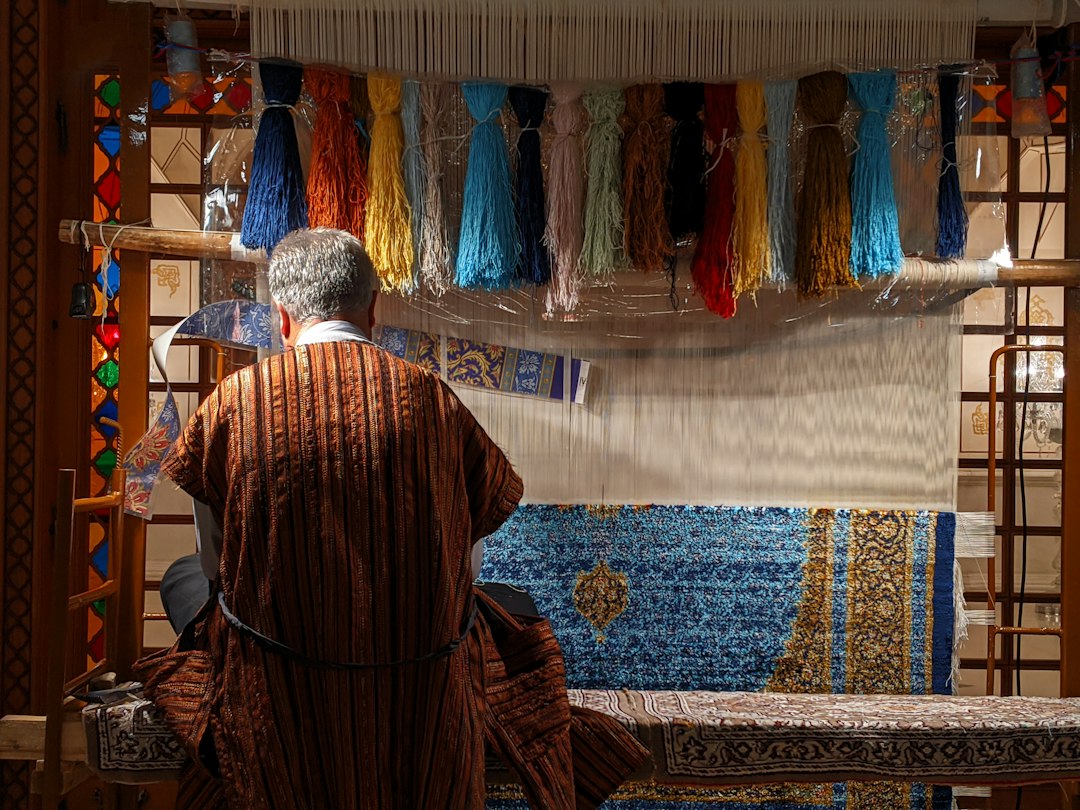
A Moroccan artisan craftsman finishing a wool garment by hand, that forms of a lasting capsule wardrobe

Conclusion: your capsule wardrobe starts with one cooperative choice

A capsule wardrobe built from Moroccan cooperatives does not require a large budget or a complete wardrobe replacement overnight. Start with 1 piece. Choose a handwoven scarf, a structured kaftan-cut jacket, or a pair of vegetable-tanned leather babouches. Traditional clothing from Morocco showed remarkable growth in export demand, rising by 75 percent in 2025, which reflects how the world already recognizes what Moroccan artisans produce. Your capsule wardrobe becomes stronger with every cooperative piece you add. Invest in artisan heritage, and fast fashion will never feel necessary again. Visit a cooperative near you or explore verified artisan platforms, and let your wardrobe tell a story worth keeping.

Discover more about capsule wardrobe

  • Ministry of Craft and Social Economy – Morocco
  • Moroccan handicraft exports grow 11% in 2025 to reach MAD 1.23 billion
  • Morocco Artisan Cooperatives Guide: Argan, Weaving and Pottery

author avatar
Nadia Bensouda
Nadia Bensouda grew up in the medina of Fès and has spent the last decade writing about Morocco's evolving lifestyle scene. From sustainable fashion in Casablanca's emerging districts to wellness traditions rooted in Amazigh culture, she covers Moroccan life with an insider's warmth. She is passionate about connecting modern Moroccan women with their cultural heritage through contemporary storytelling.
See Full Bio
Previous Post

Autumn cooking in Morocco’s markets

Related Posts

A Moroccan artisan woman arranging reclaimed zellige tiles to furnish a Moroccan home with medina materials
Sustainable living

Moroccan home: reclaimed medina materials guide

09/09/2026
A woman carrying a woven basket while selecting fresh vegetables at Moroccan markets in late summer.
Sustainable living

Moroccan markets: shop plastic-free

21/08/2026
A woman sitting beside a central courtyard fountain in a traditional Moroccan riad, experiencing natural riad cooling.
Sustainable living

Riad cooling without air conditioning

11/08/2026
A person carefully inspects deadstock fabric rolls inside a Moroccan medina souk
Sustainable living

Deadstock fabric sourcing in Morocco

09/08/2026
A traveller carrying a reusable tote bag to reduce plastic use while shopping in a Moroccan souk
Sustainable living

How to reduce plastic use in Morocco’s medinas and markets

25/07/2026

Leave a Reply Cancel reply

Your email address will not be published. Required fields are marked *

No Result
View All Result

Our Focus

MAwebzine is your international window on Morocco: lifestyle, business, culture, sports and events for a global audience drawn to the kingdom's rich heritage and modern ambition.

Our Readers

MAwebzine addresses readers who engage with Morocco at a high level: professionally, financially, strategically, and as decision-makers in their fields.

Our Approach

Lifestyle, culture, and investment are integrated as context and indicators of economic transformation, regional positioning, and Morocco's growing international profile, not standalone entertainment.

Recent Post

  • Capsule wardrobe from Moroccan cooperatives
  • Autumn cooking in Morocco’s markets

© 2026 MAwebzine by NOOR & NOOR — part of WEBZINE.world.

Welcome Back!

Login to your account below

Forgotten Password?

Retrieve your password

Please enter your username or email address to reset your password.

Log In
Manage Consent
To provide the best experiences, we use technologies like cookies to store and/or access device information. Consenting to these technologies will allow us to process data such as browsing behavior or unique IDs on this site. Not consenting or withdrawing consent, may adversely affect certain features and functions.
Functional Always active
The technical storage or access is strictly necessary for the legitimate purpose of enabling the use of a specific service explicitly requested by the subscriber or user, or for the sole purpose of carrying out the transmission of a communication over an electronic communications network.
Preferences
The technical storage or access is necessary for the legitimate purpose of storing preferences that are not requested by the subscriber or user.
Statistics
The technical storage or access that is used exclusively for statistical purposes. The technical storage or access that is used exclusively for anonymous statistical purposes. Without a subpoena, voluntary compliance on the part of your Internet Service Provider, or additional records from a third party, information stored or retrieved for this purpose alone cannot usually be used to identify you.
Marketing
The technical storage or access is required to create user profiles to send advertising, or to track the user on a website or across several websites for similar marketing purposes.
  • Manage options
  • Manage services
  • Manage {vendor_count} vendors
  • Read more about these purposes
View preferences
  • {title}
  • {title}
  • {title}
No Result
View All Result
  • Home
    • Our Authors
    • MAwebzine Readers Club
    • Media Kit
    • Contact
    • Cookie Policy
    • Terms and Conditions
  • News
  • Vibes
  • Culture
  • Sports
  • Travels
  • Business
  • World
  • Well-being
  • Local Guide
    • Activities in Morocco
    • Hotels in Morocco
    • Nightlife in Morocco
    • Restaurants in Morocco
    • Services in Morocco
    • Shopping in Morocco
  • APP

© 2026 MAwebzine by NOOR & NOOR — part of WEBZINE.world.

MAwebzine Readers Club

Join the MAwebzine Readers Club!

Read and comment on our blogs, collect Stars and receive gifts from our partners. 

More Info
Register
Log In
Not enough quota to unlock this post
Unlock left : 0
Are you sure want to cancel subscription?
Verified by MonsterInsights
enEnglisharالعربيةesEspañolfrFrançais