

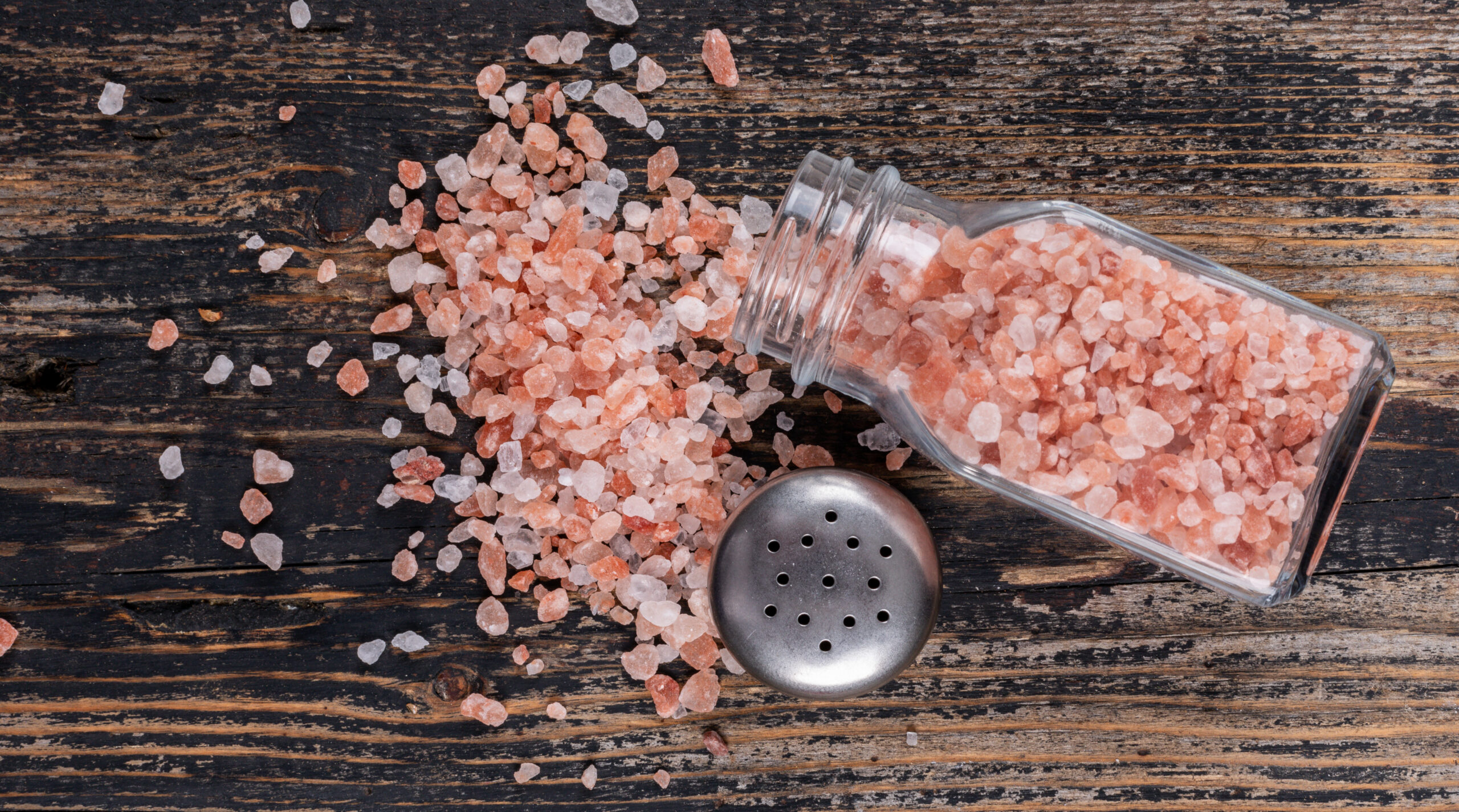
What people mean by the pink salt recipe
The typical recipe is simple: warm or room-temperature water + a pinch (or a small teaspoon) of Himalayan pink salt with optional lemon or honey. Advocates claim it boosts metabolism, “detoxes” the body, balances electrolytes and melts away belly fat. Because the drink is easy to prepare and looks natural and exotic — Himalayan Pink Salt sounds premium, it spreads fast online. But a pleasant ritual or pretty Instagram photo doesn’t equal proven weight-loss science.


Practical, safer ways to use pink salt — if you like it
If you enjoy Himalayan salt for taste or as a kitchen ingredient, use it sparingly as you would table salt. In Morocco we have great local flavor options (fresh mint, preserved lemons, cumin, smoked paprika) that help reduce the need for extra salt in dishes.






If a pink-salt drink helps you drink more plain water and thus replaces sugary beverages, that behavioral change — not the salt itself — may help weight control. Always keep daily sodium within recommended ranges and prioritize whole foods, vegetables, legumes and regular activity for lasting results.









مقال ضروري جداً في ظل انتشار ‘الترندات’ الصحية غير المدروسة على مواقع التواصل. من المهم أن ندرك أن الملح يظل ملحاً مهما كان لونه، وأن الإفراط في تناوله قد يؤدي لمشاكل في ضغط الدم واحتباس السوائل بدلاً من فقدان الوزن. العلم واضح في هذا الشأن: لا توجد معجزات في كوب ماء بملح وردي؛ السر دائماً يكمن في التوازن الغذائي والنشاط البدني. شكراً لمجلة ماويب على هذا التوضيح العلمي الرصين.
تحليل موفق يضع الأمور في نصابها الصحيح. أعجبتني شهادة ‘أميرة’ من الدار البيضاء، فهي تلخص تجربة الكثيرين الذين ينجذبون للحلول السهلة. بدلاً من البحث عن ‘وصفات سحرية’، علينا العودة للأصل: شرب الماء بانتظام، تقليل السكريات، والاعتماد على توابلنا المغربية الغنية (كالكمون والزنجبيل) لتعزيز المذاق دون الحاجة للملح الزائد. مقال توعوي بامتياز يشجع على تبني أسلوب حياة صحي ومستدام.
مقال ينم عن مسؤولية كبيرة تجاه القارئ!
في الوقت الذي يبحث فيه الجميع عن “طرق مختصرة” لفقدان الوزن، يأتي هذا المقال ليذكرنا بأن الصحة لا تقبل الحلول الترقيعية. الملح الوردي قد يكون أجمل شكلاً وأغنى ببعض المعادن الزهيدة، لكنه ليس “مذيباً للدهون”.
أخطر ما في هذه الصيحات هو تشجيع الناس على زيادة استهلاك الصوديوم، وهو ما قد يضر خاصة بمرضى الضغط أو الكلى دون علمهم. من الأفضل دائماً استشارة المتخصصين وعدم الانسياق وراء “فيديوهات الدقيقة الواحدة”. شكراً مجلة ماويب على الأمانة العلمية في طرح هذا الموضوع.
أحيانًا نشعر برغبة عارمة في إيجاد وصفة سحرية تخفف وزننا بسرعة. قراءة هذا المقال جعلتني أتأمل حقيقة أن الملح الوردي ليس أكثر من وسيلة لتغيير روتيننا اليومي قليلًا، وربما شعور مؤقت بالخفة. لكن الفكرة الأهم التي أخذتها هي أن فقدان الوزن الحقيقي يحتاج لصبر، ووعي بنظامنا الغذائي، وممارسة النشاط البدني، وليس وصفة سحرية مهما كانت شهرتها.”
“En lisant cet article, je me rends compte combien nous cherchons parfois des solutions rapides pour perdre du poids. La recette du sel rose semble séduisante, promettant un corps plus léger en quelques jours. Mais en y réfléchissant, je comprends que la vraie transformation vient de la patience, de l’équilibre et de l’écoute de son corps. Les petits gestes quotidiens, comme boire suffisamment d’eau ou marcher un peu chaque jour, ont plus d’impact durable que n’importe quel remède miracle.”
وصفة الملح الوردي تبدو حلاً سريعًا، لكنها في الحقيقة تعكس وهم النتائج السهلة، ففقدان الوزن لا يأتي من وصفة سحرية بل من توازن وصبر
أحيانًا نبحث عن الحل السريع، ثم نكتشف أن التغيير الحقيقي لا يصنعه مكوّن سحري، بل عادة صغيرة نكررها بصبر كل يوم