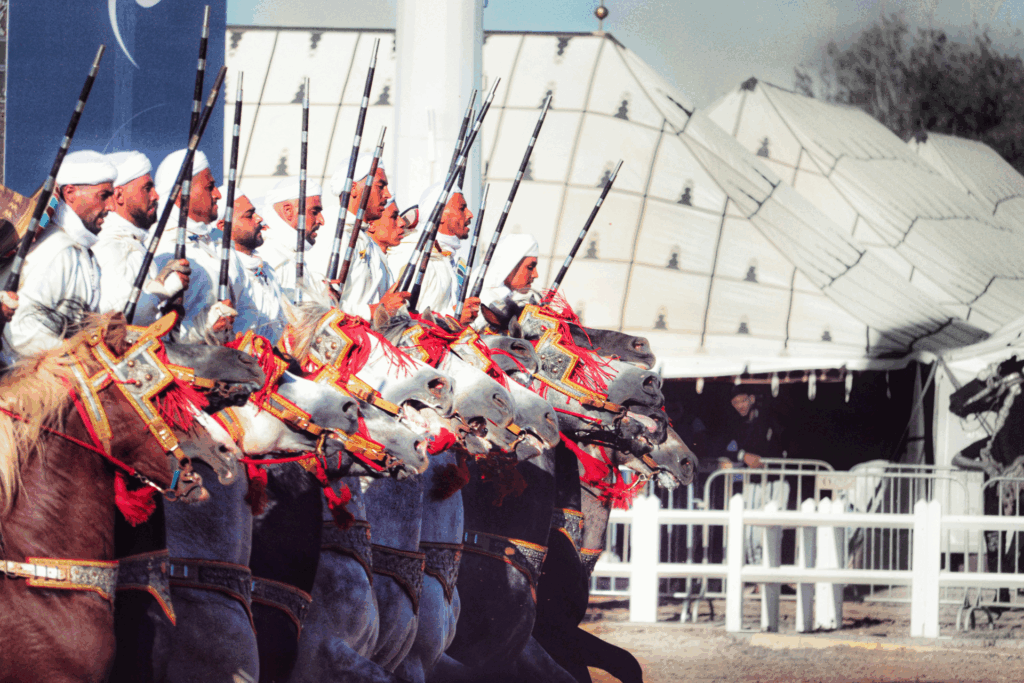

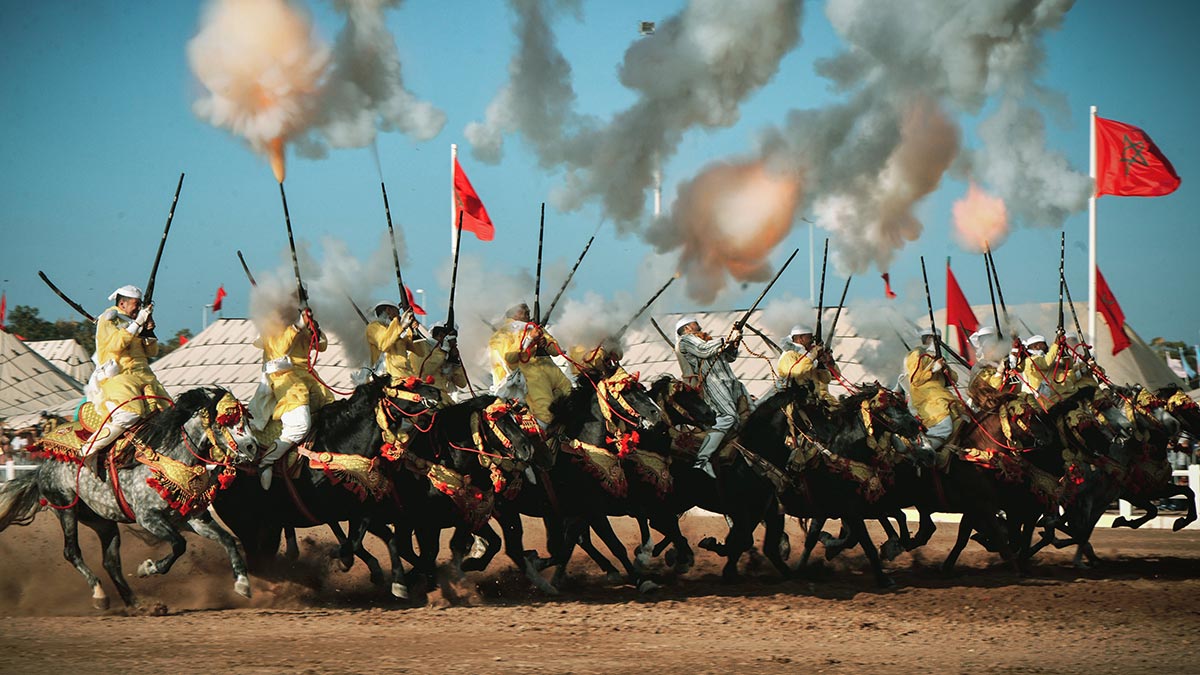
Across the plains of Morocco, the sound of galloping hooves and gunpowder echoes through the air during a traditional performance known as Fantasia or Tbourida. This centuries-old equestrian practice brings together horsemen and women dressed in elaborate costumes who charge forward in unison before firing rifles in a perfectly timed explosion. For Moroccans, Tbourida is much more than spectacle—it is a celebration of history, identity, and discipline. But beyond its cultural symbolism, the question arises: should Fantasia also be recognized as a sport on the international stage?
Ancient Roots and Cultural Significance
Tbourida traces its origins back to Morocco’s tribal past, when horses played a central role in warfare, defense, and ceremonial life. The word “Tbourida” comes from the Arabic word baroud, meaning gunpowder, highlighting the importance of the synchronized rifle shot.

Historically, these performances symbolized bravery and unity among warriors, while also serving as displays of loyalty to tribal leaders and sultans. Today, Fantasia continues to thrive during festivals and national celebrations, embodying Morocco’s deep connection with horses and its enduring sense of tradition.

The Art of Synchronization
A Fantasia performance is not just about speed and firepower; it is about precision and collective harmony. Dozens of riders align themselves shoulder to shoulder, urging their horses forward at full gallop. At the exact moment, all riders fire their rifles together, aiming to produce one single thunderous shot.
Any misstep—a horse running ahead, a shot fired too early or too late—breaks the illusion of unity and lowers the team’s performance. This need for flawless synchronization demonstrates the discipline, training, and athleticism behind the spectacle.
Physical Demands on Riders and Horses
For those who see Fantasia only as folklore, it is easy to overlook the physical and technical challenges it requires. Riders must master their horses at high speed, maintain balance while handling heavy rifles, and execute the firing maneuver with perfect timing.
The horses, too, are elite athletes, bred and trained for stamina, obedience, and explosive acceleration. Preparing a team for competition takes months of conditioning, making Tbourida as demanding as many recognized equestrian sports. These rigorous demands strengthen the argument for Fantasia as more than just a tradition—it is a discipline in its own right.
Ramadan Nutrition: Healthy Iftar Recipes and Suhoor Meal Planning
Planning your Ramadan nutrition helps Moroccans to maintain their energy levels and health throughout the holy month. Balanced iftar and...
Moroccan Street Food: Local Favorites Guide
Street food represents Morocco's vibrant culinary culture offering authentic flavors at affordable prices throughout medinas and souks. Furthermore, traditional vendors...
-
Competitions and National Recognition
Within Morocco, Fantasia has already evolved beyond cultural festivals into a structured competitive field. Official competitions are organized at regional and national levels, often judged on synchronization, accuracy of rifle shots, and the overall presentation of the group.
Teams, called sorbas, are evaluated by strict criteria similar to those used in equestrian events worldwide. In 2021, UNESCO inscribed Tbourida on its Representative List of the Intangible Cultural Heritage of Humanity, giving it cultural prestige. However, recognition as a sport on an international level remains limited, leaving much potential untapped.


Barriers to International Recognition
Despite its complexity and beauty, Fantasia is still largely unknown outside Morocco. Several factors explain this gap. First, transporting horses and firearms across borders is logistically challenging and costly. Second, many international audiences view Fantasia only as folklore, not as a structured discipline worthy of sporting status.
Finally, the lack of standardized international rules makes it difficult to adapt Fantasia into a global competition. Yet these obstacles are not insurmountable. With growing global interest in cultural sports and heritage events, Morocco has a unique opportunity to present Tbourida as both a traditional art form and a competitive equestrian discipline.
Tradition Meets Modernity
Fantasia stands at the crossroads of tradition and sport. On one hand, it is a living link to Morocco’s tribal past, preserving values of unity, courage, and heritage. On the other hand, its athletic demands, competitions, and discipline make it comparable to modern sports.
Recognizing Fantasia internationally could not only promote Moroccan culture but also inspire pride among younger generations. By embracing both sides of its identity—tradition and sport—Tbourida has the potential to shine far beyond Morocco’s borders, becoming a global symbol of equestrian artistry and cultural resilience.


في رأيي، التبوريدة هي مزيج فريد؛ فهي “تقليد” يحفظ تاريخنا وقيمنا، وفي الوقت نفسه هي “رياضة” نخبوية تتطلب انضباطاً ومهارة عالية جداً في التزامن (Synchronization) بين الخيول والفرسان.
أتفق مع ضرورة العمل على الاعتراف بها دولياً كرياضة فروسية تنافسية، بما يتجاوز كونها مجرد “فلكلور”، وذلك لضمان استمراريتها وتعزيز مكانتها العالمية بعد اعتراف اليونسكو بها. إنها فخر ثقافي ورياضي للمغرب.
موضوع في غاية العمق! إن التبوريدة ليست مجرد سباق أو عرض، بل هي فن يجسد تاريخ القبائل المغربية وقيمها في الوحدة والشجاعة.
تُظهر التبوريدة أن الفنون القتالية القديمة يمكن أن تتحول إلى مسرح حي ومنافسة شريفة. وأهم نقطة هي الحفاظ على أصالة اللباس التقليدي والطقوس (اليونسكو)، مع تطوير الجانب الرياضي ليضمن استمرار هذه الممارسة بمهارات عالية للأجيال القادمة. إنها فخر ثقافي يستحق كل الترويج والاهتمام!
🐎✨ عندما أشاهد التبوريدة، أشعر أنها ليست مجرد عرض أو سباق، بل قصة حيّة تُروى دون كلمات 📜. صفّ الفرسان، توحّد الخيول، وتلك اللحظة التي ينفجر فيها صوت البارود 💥… كلها تجعلني أحسّ بأن الماضي يمدّ يده للحاضر 🤝. التبوريدة بالنسبة لي فنّ وهوية وذاكرة جماعية 🇲🇦، حيث تتحول القوة إلى تناغم، والتقليد إلى فخر لا يشيخ ❤️.