
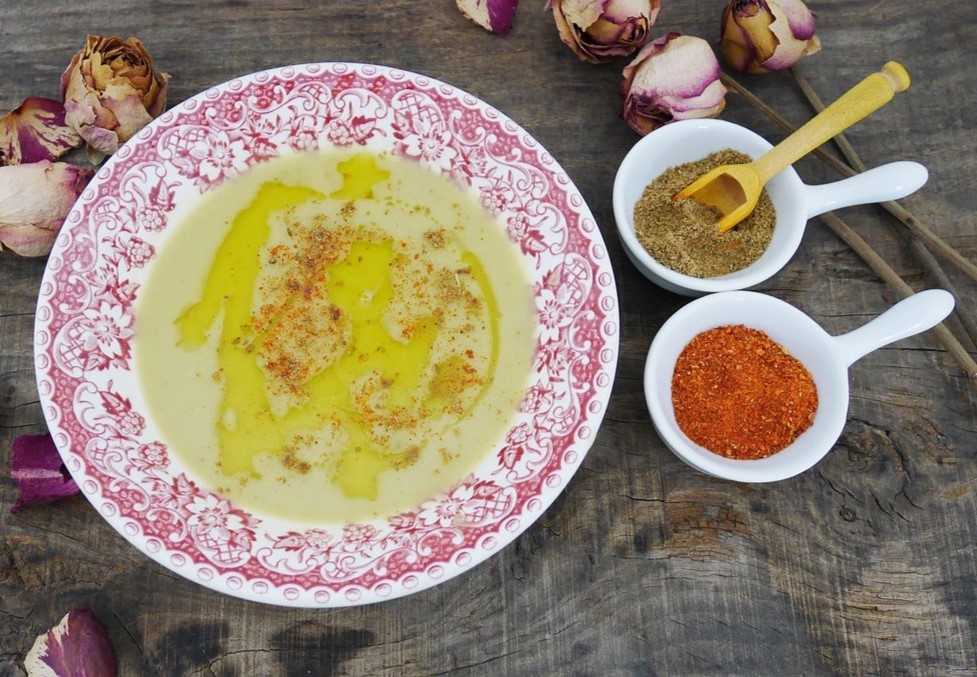
Bissara, also spelled bessara, is a traditional Moroccan soup or purée made from dried fava beans or split peas. Known for its simplicity and heartiness, it is considered a staple of Moroccan cuisine, particularly in colder months. Recently featured in the French newspaper Le Progrès, bissara is now becoming a trendy sensation in France.
History and Origin
Bissara or bessara has deep roots in Moroccan culinary traditions, dating back centuries. It originated in rural areas where it was prized for its affordability and ability to nourish large families with minimal ingredients. Often associated with working-class communities, it became a symbol of modest living and togetherness.

Historically, bissara or bessera was not only a household dish but also a street food favorite, served piping hot in small stalls across Moroccan towns. Vendors typically paired it with freshly baked bread, creating an economical yet fulfilling meal. Its popularity spread over time, and it is now enjoyed across all social classes in Morocco, and all over the world, especially France.

Why is Bissara Beloved?
Bissara’s enduring popularity lies in its versatility, nutritional value, and cultural significance. It’s packed with protein, fiber, and essential nutrients, making it a wholesome meal for people of all ages.
Beyond its health benefits, bissara represents Moroccan hospitality, as it’s often shared in communal settings, bringing people together around the table.
Global Appeal
Recently, bissara has gained international recognition, particularly in France, where it is becoming a trendy dish. Its rustic charm and authentic flavors resonate with people seeking comforting, plant-based meals. This rise in popularity highlights the timeless appeal of Moroccan cuisine and its ability to transcend borders.
How is Bissara Made?
Bissara is incredibly simple to prepare, yet its flavor is rich and satisfying. Here’s a basic recipe:
Ingredients:
- 2 cups dried fava beans (or split peas)
- 3–4 cloves of garlic
- 1 tsp ground cumin
- 1 tsp paprika
- Salt and pepper to taste
- Olive oil (for garnish)
- Optional: a squeeze of lemon juice and chili powder for extra flavor
Instructions:
- Soak the dried fava beans overnight. Drain and rinse them before cooking.
- In a large pot, cover the beans with water and bring to a boil. Add garlic cloves.
- Reduce the heat and let it simmer until the beans are soft (about 1–2 hours).
- Blend the mixture using a hand blender or food processor until smooth.
- Stir in cumin, paprika, salt, and pepper. Adjust seasoning as needed.
- Serve hot in bowls, drizzled with olive oil and sprinkled with more cumin or paprika. Pair it with warm, crusty bread for dipping.
Ramadan Nutrition: Healthy Iftar Recipes and Suhoor Meal Planning
Planning your Ramadan nutrition helps Moroccans to maintain their energy levels and health throughout the holy month. Balanced iftar and...
Moroccan Street Food: Local Favorites Guide
Street food represents Morocco's vibrant culinary culture offering authentic flavors at affordable prices throughout medinas and souks. Furthermore, traditional vendors...
-
Regional Variations
Although the core ingredients of bissara remain consistent, slight variations exist depending on the region.
- In northern Morocco, the soup tends to have a thicker consistency, almost like a purée.
- Southern versions are often more liquid, resembling a traditional soup.
- Some recipes include additional herbs like parsley or coriander, or even a touch of chili for extra heat.
Conclusion
Bissara is more than just a soup; it’s a cultural artifact that reflects Morocco’s history, traditions, and culinary ingenuity. Whether served in a humble street stall or a high-end restaurant, bissara continues to warm hearts and bring people together with its rich flavors and storied past.


“C’est une fierté de voir un plat aussi simple et authentique que la Bissara conquérir les tables françaises en 2025. Un excellent article qui met en avant la richesse de notre patrimoine culinaire. Bravo pour le partage !”
“Très bel article ! La Bissara a toujours été le plat du réconfort par excellence au Maroc, surtout en hiver. Voir qu’elle devient une ‘trendy sensation’ en France prouve que la cuisine saine et traditionnelle n’a pas de frontières. Merci de mettre en lumière ce succès gastronomique marocain.”
أحيانًا ما نراه بسيطًا في حياتنا اليومية، يراه الآخرون كنزًا مليئًا بالنكهة والتاريخ. طبق البيصارة الذي وُلد في القرى المغربية ليغذي الناس ببساطة ودفء، أصبح اليوم يلفت أنظار العالم ويصل حتى موائد فرنسا كوجبة عصرية محبوبة. كأن المطبخ المغربي يهمس للعالم بأن الجمال الحقيقي يكمن في البساطة الصادقة. 🇲🇦🥣✨