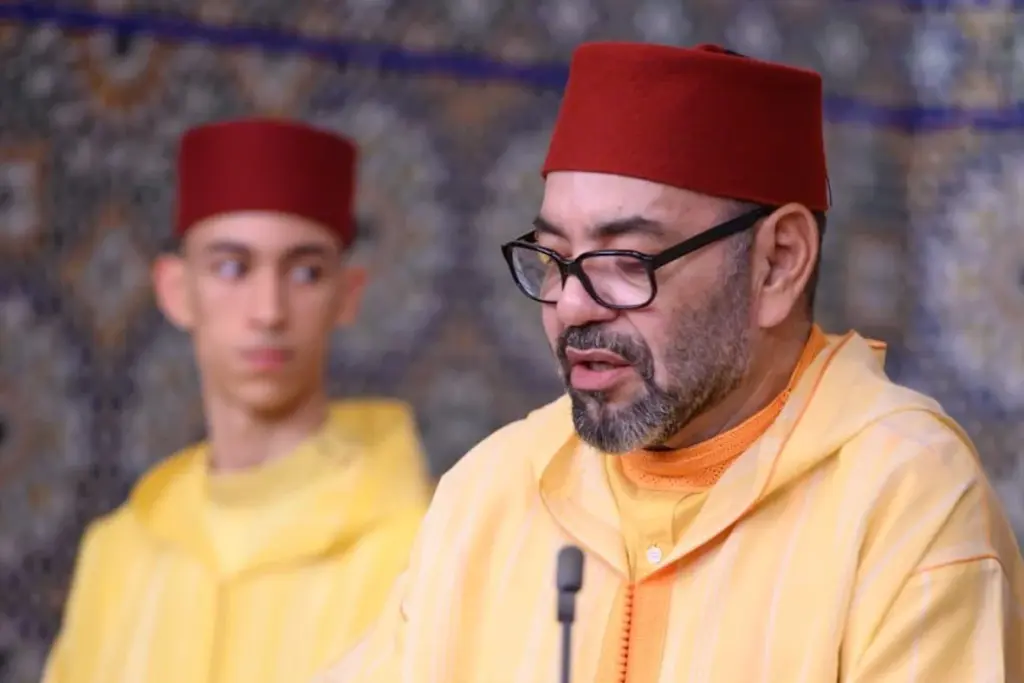

Every year on August 20, Morocco commemorates the Revolution of the King and the People, a day that marks one of the most significant moments in the country’s modern history. This national holiday honors the 1953 uprising against colonial oppression and celebrates the unity between the Moroccan monarchy and its people.
The Historical Origins of August 20
The origins of this revolutionary day trace back to a critical period in Moroccan history. In 1953, the French colonial authorities deposed Sultan Mohammed V, fearing his growing support for Moroccan independence.
This act ignited widespread resistance across the country. The Moroccan people, together with the exiled Sultan’s loyalists, engaged in protests, civil disobedience, and even armed struggle to restore their legitimate leader. The solidarity between the monarch and the people became the cornerstone of Morocco’s fight for independence, and the events of August 20 symbolized that unity.

Commemorating Unity and National Pride
Celebrating this day today is more than remembering historical events; it is a tribute to the enduring bond between the Moroccan state and its citizens. Government offices and institutions across the nation typically observe the holiday.
Many cities organize commemorative ceremonies, speeches, and cultural events that reflect both the historical significance and the ongoing importance of civic unity. People also take this day as an opportunity to reflect on national identity, resilience, and the values of freedom and dignity.
Festivities Across the Country
In the streets of Moroccan cities, the day is marked by a sense of pride and patriotism. Flags are displayed widely, and public squares often host exhibitions featuring photographs, documents, and artifacts from the revolutionary period. These displays help younger generations understand the sacrifices made by those who fought for the country’s sovereignty and the pivotal role Sultan Mohammed V played in guiding Morocco toward independence.
Cultural programs are a key aspect of the celebrations. Traditional music, poetry, and theatrical performances recount the stories of courage and perseverance that defined this era. In schools, teachers use this occasion to educate students about Morocco’s struggle against colonial rule, emphasizing lessons about unity, leadership, and civic responsibility.
Through these activities, the memory of August 20 is kept alive, not just as a historical date but as a source of inspiration for future generations.

Lessons for the Present and Future
The day also serves as a reminder of Morocco’s broader journey toward modernization and national development. By reflecting on the revolutionary events of 1953, Moroccans acknowledge the importance of collaboration between leaders and citizens in building a strong, resilient nation.
-
The Revolution of the King and the People represents the triumph of collective action, determination, and loyalty—values that continue to shape Morocco’s social and political landscape.
Ramadan Nutrition: Healthy Iftar Recipes and Suhoor Meal Planning
Planning your Ramadan nutrition helps Moroccans to maintain their energy levels and health throughout the holy month. Balanced iftar and...
Moroccan Street Food: Local Favorites Guide
Street food represents Morocco's vibrant culinary culture offering authentic flavors at affordable prices throughout medinas and souks. Furthermore, traditional vendors...
A Personal and Communal Celebration
For many Moroccans, August 20 is a personal and communal moment. Families gather, communities hold discussions and educational events, and media outlets produce documentaries and articles that highlight the heroism of those involved.
Social media also plays an increasingly important role in sharing stories, photos, and reflections, connecting citizens across cities and regions in a shared commemoration of national pride.
Conclusion
Revolution of the King and the People Day is more than a historical remembrance; it is a celebration of Morocco’s resilience, unity, and identity. By honoring the revolution that brought the people and the monarchy together, the nation reaffirms its commitment to the values of independence, solidarity, and civic responsibility.
Each year on August 20, Moroccans across the country pause to reflect, celebrate, and draw inspiration from their shared history—a history that continues to shape their present and guide their future.


“مقال رائع يخلد ذكرى ‘ثورة الملك والشعب’، تلك الملحمة التي جسدت أرقى معاني التلاحم بين العرش العلوي والشعب المغربي الوفي. إن ذكرى 20 غشت ليست مجرد تاريخ، بل هي رمز للصمود والتضحية في سبيل الحرية والاستقلال. من الضروري أن تتعرف الأجيال الصاعدة على هذه المحطة البطولية لتعزيز الشعور بالفخر والاعتراء بالهوية الوطنية المغربية. شكراً لمجلة ماويب على هذا التذكير بقيم الوفاء والوحدة التي تظل صمام أمان لبلدنا.”
“تحليل موفق يربط بين عظمة الماضي وتحديات الحاضر. ثورة 20 غشت علمتنا أن العمل المشترك والولاء للوطن هما مفتاح النجاح والتقدم. الاحتفاء بهذه الذكرى هو تجديد للعهد على مواصلة مسيرة البناء والتنمية تحت القيادة الرشيدة. ما أحوجنا اليوم لاستلهام روح هذه الثورة في معاركنا التنموية والاجتماعية لبناء مغرب قوي ومزدهر. مقال ملهم يبعث على الاعتزاز بتاريخنا المجيد.”
مقال وطني بامتياز يستحضر محطة تاريخية فارقة في مسار استقلال المغرب. شكراً لكم على تسليط الضوء على هذه الملحمة الخالدة التي تجسد التلاحم القوي بين العرش والشعب. مجهود مشكور في توثيق ذاكرتنا الوطنية.