
Every year, on January 12th or 13th, millions of Amazigh (Berber) people across Morocco, Algeria, Tunisia, Libya, and beyond celebrate Yennayer, their traditional New Year. Unlike the Gregorian or Islamic calendar, Yennayer follows an agricultural cycle dating back nearly 3,000 years, making it one of the oldest continuously celebrated New Year traditions in the world. But what is the significance of Yennayer, and why is it still so important today?
The Origins of Yennayer: A Legacy of the Amazigh People
Yennayer marks the first day of the Amazigh agricultural calendar, which historians trace back to 950 BC. The Amazigh people linked their calendar to the ascension of Pharaoh Sheshonq I, a Berber king who became ruler of Egypt and founded the 22nd Dynasty. Unlike the Islamic lunar calendar, the Amazigh calendar is solar-based, closely following seasonal changes crucial for farming societies.

How Yennayer is Celebrated in Morocco
Throughout Morocco, Amazigh communities celebrate Yennayer with festive meals, music, and storytelling. Here are some of the key traditions:
Special Yennayer Feast
Families prepare a meal rich in grains, dried fruits, and local meats, often featuring dishes like couscous with seven vegetables as a symbol of prosperity for the coming year.
Cultural Gatherings
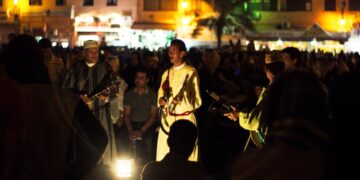
Communities organize music performances, poetry readings, and dance events to honor their heritage.
Symbolic Rituals
Some families place a grain or seed under a pillow, believing that whoever finds it will have good fortune for the year ahead.
Children’s Initiation
In some regions, Yennayer is the time when young children receive their first traditional Amazigh attire, symbolizing their entry into the cultural community.
Recognition and Revival of Yennayer
For centuries, Yennayer was celebrated informally, but in recent years, there has been a strong push for official recognition.
In Algeria, Yennayer was declared a national holiday in 2018.
In Morocco, while not yet an official public holiday, King Mohammed VI has supported increased cultural recognition.
The Amazigh language Tamazight is now an official language in Morocco’s 2011 constitution, strengthening efforts to preserve Amazigh heritage.
Morocco Renewable Energy 2026: 5 Investment Sectors
Morocco is moving faster than most countries in Africa toward clean energy. Renewable energy Morocco targets now exceed 46% of...
Marrakech Morocco 2026: 6 Hidden Garden Gems
Morocco's most visited city holds more than its famous souks and palaces. Marrakech gardens offer peaceful escapes that most tourists...
Morocco Fintech 2026: 10 Apps Changing Banking
Morocco fintech is growing faster than almost any sector in the country's economy. Bank Al-Maghrib reported that mobile payment transactions...
Restaurant ‘Au Quartier Latin’ now open in Kénitra
'Au Quartier Latin' is officially open in Kénitra and it has already set a new standard for dining in the...
Testimonial: A Personal Connection to Yennayer
“For my family, Yennayer is more than just a celebration; it’s a time to reconnect with our roots. My grandmother always tells us stories about how our ancestors used the land, respected the seasons, and lived in harmony with nature. The traditions of Yennayer remind us that we belong to something ancient and beautiful.” – Amina El Bakkali, Amazigh cultural advocate
Why Yennayer Matters Today
As the world becomes more globalized, preserving indigenous traditions like Yennayer is crucial. The Amazigh New Year is not just a historical artifact, but a living tradition that continues to evolve. It serves as a reminder of North Africa’s deep cultural diversity and the resilience of the Amazigh identity.
Final Thoughts
Whether you have Amazigh roots or simply love learning about different cultures, Yennayer is a fascinating celebration of history, agriculture, and identity. As more people embrace their Amazigh heritage, Yennayer is gaining the recognition it deserves—ensuring that this ancient tradition continues to thrive for generations to come.
Would you celebrate Yennayer? Let us know how you would mark the occasion!


مقال رائع يغوص في أعماق هويتنا المغربية الأصيلة. احتفال ‘يناير’ ليس مجرد تاريخ، بل هو تجسيد لارتباط الإنسان الأمازيغي بأرضه وخيراتها. جميل أن نرى هذا الموروث يحظى بالاعتراف الرسمي والتقدير الذي يستحقه كجزء لا يتجزأ من تاريخنا المشترك. أسكاس أمغاس (Aseggas Ameggaz) لكل المغاربة!
تأملتُ في ⴰⵙⴳⴳⵯⴰⵙ ⴰⵎⴰⵢⵏⵓ (ينّاير) فوجدته ليس مجرد بداية سنة جديدة، بل رسالة من التاريخ تقول إن الجذور العميقة لا تموت. إنه احتفاء بالأرض والإنسان والذاكرة، حيث يلتقي الماضي بالحاضر في مائدة واحدة مليئة بالأمل والبركة. ربما لهذا يبقى هذا العيد حيًّا منذ آلاف السنين، لأنه يذكّرنا بمن نكون. 🌿ⵣ🌾
✨ⴰⵙⴳⴳⵯⴰⵙ ⴰⵎⴱⴰⵔⴽⵉ للجميع.
📚 يُعد ينّاير بداية السنة الأمازيغية الزراعية التي تعود جذورها إلى نحو 950 قبل الميلاد، ويرتبط بدورات الطبيعة والزراعة في شمال أفريقيا.
What a fascinating article! Learning about these deep cultural roots and traditions is always so interesting. Thank you for sharing such well-researched and beautifully written content with us.