
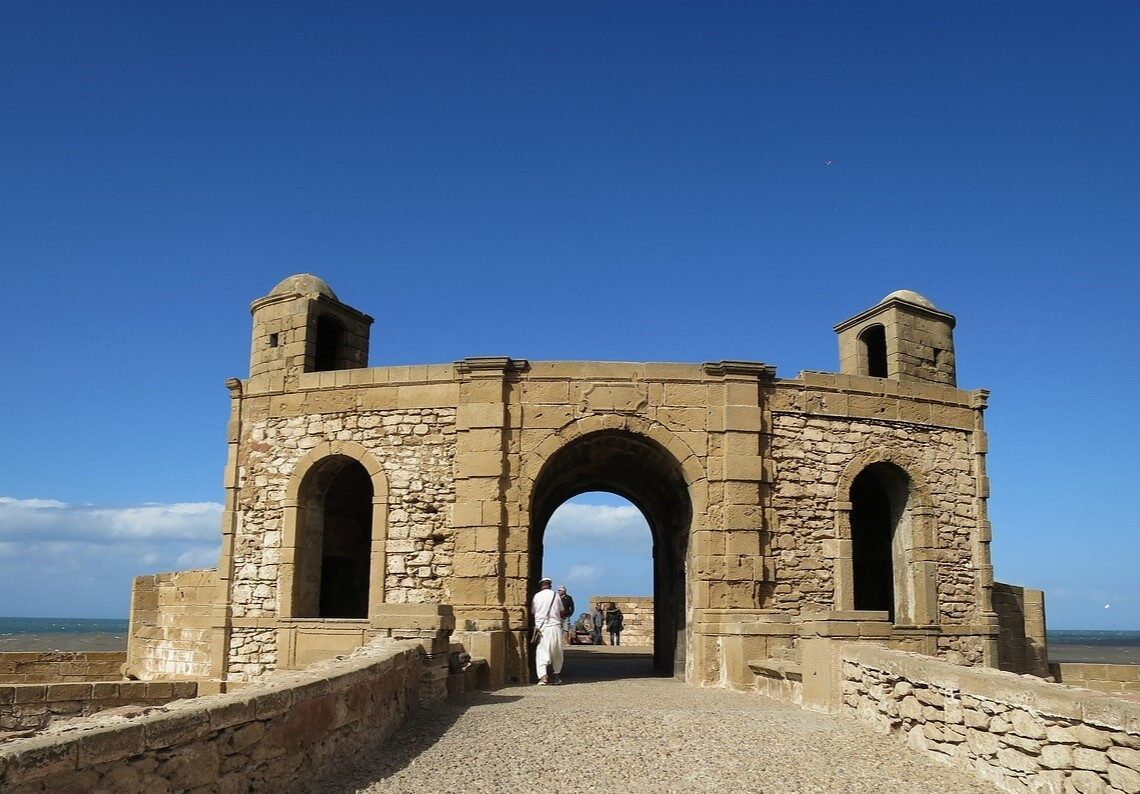
Culture is the backbone of any society, reflecting its history, traditions, and aspirations. In Morocco, a country rich with diverse cultural heritage—from ancient medinas to Berber traditions and Andalusian influences—it is crucial to ensure that everyone has access to these treasures. Here are seven essential ways Morocco can make culture more accessible to all.
1. Expand Public Cultural Spaces
Morocco’s cultural heritage thrives in museums, libraries, and theaters, but many of these spaces are concentrated in urban centers. Expanding public cultural spaces to rural areas and smaller towns can bridge the gap between urban and rural populations.
Mobile museums and libraries, for example, can bring cultural experiences to remote communities. Building community centers that host cultural events, art exhibitions, and performances will ensure that everyone has a place to engage with culture.

2. Leverage Digital Technology
The digital age provides unparalleled opportunities to make culture more accessible. Creating virtual tours of historical sites, offering online art exhibitions, and digitizing traditional manuscripts can bring Moroccan culture to a global audience and those unable to visit in person.
Mobile apps and websites in Arabic, Amazigh, and French can provide comprehensive information on Morocco’s cultural assets, ensuring inclusivity for diverse linguistic groups.
3. Promote Cultural Education
Embedding cultural education in schools is essential for fostering appreciation and understanding among younger generations. Introducing students to Morocco’s rich history, music, art, and literature through interactive lessons and field trips can nurture a lifelong connection to culture.
Additionally, partnerships between schools and local artisans or performers can bring traditional crafts and performances directly to classrooms.
4. Support and Highlight Marginalized Cultures
Morocco’s cultural diversity includes Arab, Amazigh (Berber), Jewish, and Sahrawi influences, among others. Ensuring that marginalized cultures are represented and celebrated is vital for inclusivity.
Festivals dedicated to Amazigh crafts, Sahrawi music, or Jewish heritage, for instance, can highlight the contributions of these communities to Morocco’s national identity. Providing platforms for underrepresented voices through media and art can also help preserve and promote cultural diversity.
-
5. Make Cultural Events Affordable
High ticket prices for concerts, festivals, and museum entries can be a barrier for many people. Implementing free or subsidized entry programs for low-income individuals, students, and families can democratize access to cultural experiences.
Government and private sector partnerships can fund such initiatives, ensuring that financial constraints do not prevent anyone from engaging with Morocco’s vibrant cultural scene.
6. Empower Local Artists and Artisans
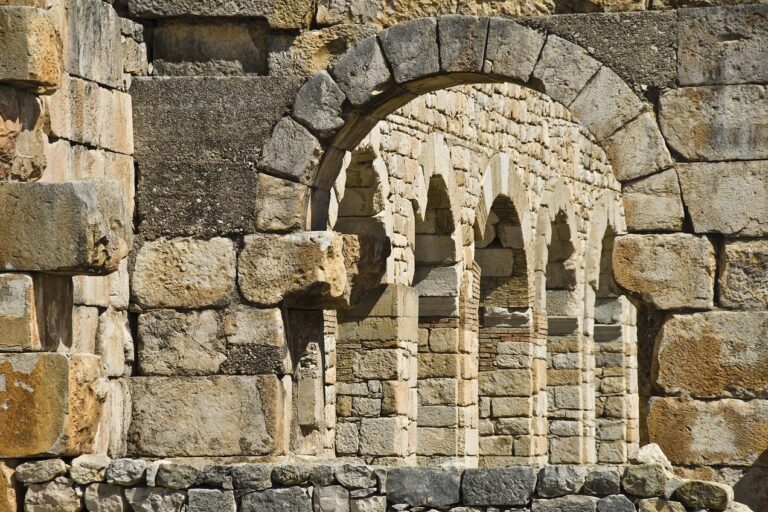
Local artists and artisans are the custodians of Morocco’s cultural heritage. Supporting them through grants, workshops, and promotional platforms can enrich the cultural landscape while making it more accessible.
Markets, fairs, and online platforms that connect artisans with consumers help sustain traditional crafts while making them widely available. Programs that encourage artists to host public exhibitions or community workshops can bring culture directly to the people.
Ramadan Nutrition: Healthy Iftar Recipes and Suhoor Meal Planning
Planning your Ramadan nutrition helps Moroccans to maintain their energy levels and health throughout the holy month. Balanced iftar and...
Moroccan Street Food: Local Favorites Guide
Street food represents Morocco's vibrant culinary culture offering authentic flavors at affordable prices throughout medinas and souks. Furthermore, traditional vendors...
7. Foster Cross-Cultural Exchange
Cultural accessibility is not just about internal inclusion but also about sharing Morocco’s heritage with the world and embracing global influences. Encouraging collaborations with international artists, hosting cultural exchange programs, and participating in global cultural festivals can promote mutual understanding. These exchanges can inspire innovative ways to present Moroccan culture while ensuring that it remains dynamic and relevant.
Conclusion
Making culture accessible to all in Morocco is both a challenge and an opportunity. By expanding public spaces, leveraging technology, and fostering inclusivity through education and financial accessibility, Morocco can ensure that its cultural wealth is shared by all.
Empowering local artists, supporting marginalized communities, and embracing global exchanges will further enrich the country’s cultural landscape. In doing so, Morocco can not only preserve its heritage but also create a society where culture is a shared treasure that unites and inspires everyone.


مقال غاية في الأهمية يضع الإصبع على ضرورة ‘دمقرطة الثقافة’ في المغرب. إن توزيع الفضاءات الثقافية (متاحف، مكتبات) بشكل عادل بين الحواضر والمناطق القروية هو المفتاح لبناء مجتمع متوازن. أعجبتني فكرة ‘المتاحف والمكتبات المتنقلة’ التي تكسر حاجز العزلة الجغرافية، بالإضافة إلى جعل الدخول للمرافق الثقافية متاحاً مادياً لجميع الفئات. الثقافة هي ملك للشعب بكل أطيافه، والاستثمار فيها هو استثمار في وعي ومستقبل المغاربة.
تحليل موفق جداً لسبل تعزيز الوعي الثقافي في العصر الرقمي. توظيف التكنولوجيا لرقمنة التراث المغربي (زيارات افتراضية، تطبيقات تعليمية باللغات العربية، الأمازيغية، والفرنسية) سيقرب شبابنا أكثر من تاريخهم العريق. كما أن ربط المؤسسات التعليمية بالصناع التقليديين والفنانين سيخلق جيلاً يعتز بهويته ومنفتحاً على العالم. مقال ملهم يذكرنا بأن الثقافة المغربية هي ‘ثروة حية’ يجب أن يشعر الجميع بملكيته لها والوصول إليها بسهولة.
أحيانًا أفكر أن الثقافة مثل الضوء؛ كلما وصلت إلى الجميع ازداد المجتمع إشراقًا. حين تصبح الفنون والمعرفة قريبة من الناس في كل مكان، يشعر كل فرد أنه جزء من هذا الجمال المشترك. ✨📚🇲🇦