

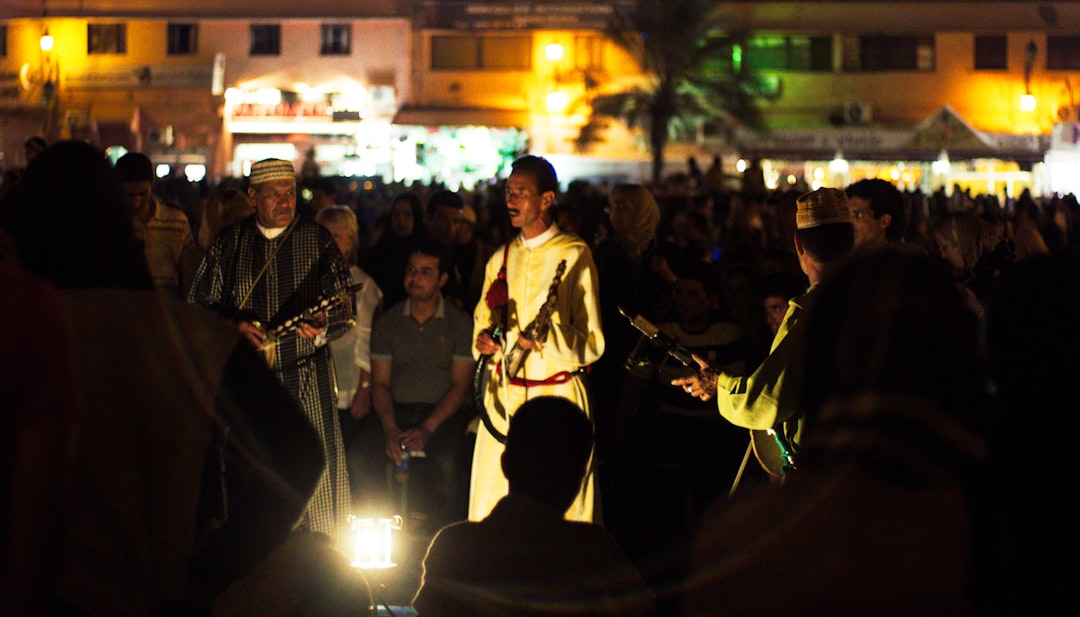
Morocco festival season ignites every June, pulling the country’s cities, medinas, and coastlines into a shared rhythm that no postcard can capture.
Why June holds the whole calendar together
Morocco’s festival season kicks off in mid-May and stretches throughout the summer, offering a rich cultural lineup spanning sacred music, comedy, jazz, electronic beats, and popular arts. But June is the month where everything converges. 3 of the country’s biggest events land within the same 4 weeks, in different cities, with very different sounds. You can move between them on a single trip.
Morocco hosts a wide range of festivals that combine religious traditions, regional heritage, and contemporary music programming. June sits at the centre of that mix. The weather is warm but not brutal. Hotels are full, yes. But the energy in the streets, the squares, and the old city walls is something you will not find in any other month.
When travellers align their itinerary with these events, they gain access to local practices, seasonal markets, and community gatherings that go beyond standard travel routes. June is the clearest example of that principle in action.
The Fes Festival of World Sacred Music: where history sings
The season opens with one of Morocco’s most iconic cultural events: the Fes Festival of World Sacred Music. It takes place inside the medina, in courtyards and palace gardens that amplify every note with centuries of stone. The festival brings together performers from across the world, but it never feels like a generic international showcase.
This edition highlights Fez and the Mâalemines, guardians of crafts tradition and heritage, bringing together international artists in historic venues such as Bab Makina, blending spiritual music with ancestral craftsmanship. That combination of sound and place is what makes it extraordinary. You are not sitting in a concert hall. You are sitting inside a living city.
For travellers who want to understand Morocco at its most spiritual and most beautiful, Fes in early June is the starting point. For major festivals, booking several months in advance is recommended.
Mawazine in Rabat: Africa’s biggest stage
Held in Rabat, Mawazine is one of Africa’s largest music festivals. Usually taking place between late May and June, the festival brings together global artists, Arab musicians, African performers, and Moroccan talent across multiple stages throughout the capital.
Africa’s largest music festival draws over 2.5 million people across 9 days, spread across 6 stages in Rabat and Salé. Most of those stages are free. You do not need a ticket to stand under the open sky and watch world-class performers. That accessibility is part of what makes Mawazine unlike any other festival on the continent.
Rabat is a city that many travellers skip in favour of Marrakech or Fes. Mawazine is a reason to stop and stay. The capital opens up during festival week in a way that shows you a confident, modern Morocco without asking you to leave the old city behind.
The Gnaoua Festival in Essaouira: trance on the Atlantic
The Atlantic coast city of Essaouira holds the most distinctive event of the June calendar. The Gnaoua World Music Festival is a celebration of Gnaoua music and its fusion with jazz, blues, reggae, and world music on the Atlantic coast. Master musicians (maalems) perform trance-inducing ceremonies alongside international collaborators in open-air venues by the sea.
Founded in 1998, the festival draws over 500,000 visitors and is one of Morocco’s most iconic cultural events. The numbers are large, but Essaouira absorbs them with a grace that bigger cities cannot always manage. The wind off the ocean, the whitewashed walls, the smell of grilled fish at the port: the city itself becomes part of the performance.
Tourists can fully participate in the Gnaoua Festival. Most concerts are completely free and open to everyone. Simply show up in Essaouira during the festival weekend, explore multiple stages throughout the medina, join street performances, attend workshops about Gnaoua culture, and immerse yourself in the atmosphere.
Expert perspective on Morocco’s festival culture
Morocco’s June festivals are not built for tourists. They were built for communities, and tourists are welcome inside them. The Gnaoua ceremony is a healing ritual with roots in West African spiritual traditions. When you watch a maalem perform, you are watching something that has existed for centuries in this country. The Fes Festival grew from the city’s identity as a seat of Islamic scholarship and artistic exchange. Mawazine grew from a desire to put Rabat on a global map without erasing its Moroccan character. All 3 events carry the same principle: culture here is not decoration. It is daily life made visible. Travellers who understand that leave Morocco permanently changed by what they experienced.
Industry perspective, cultural tourism and heritage professionals in Morocco
What the moussem calendar adds to June
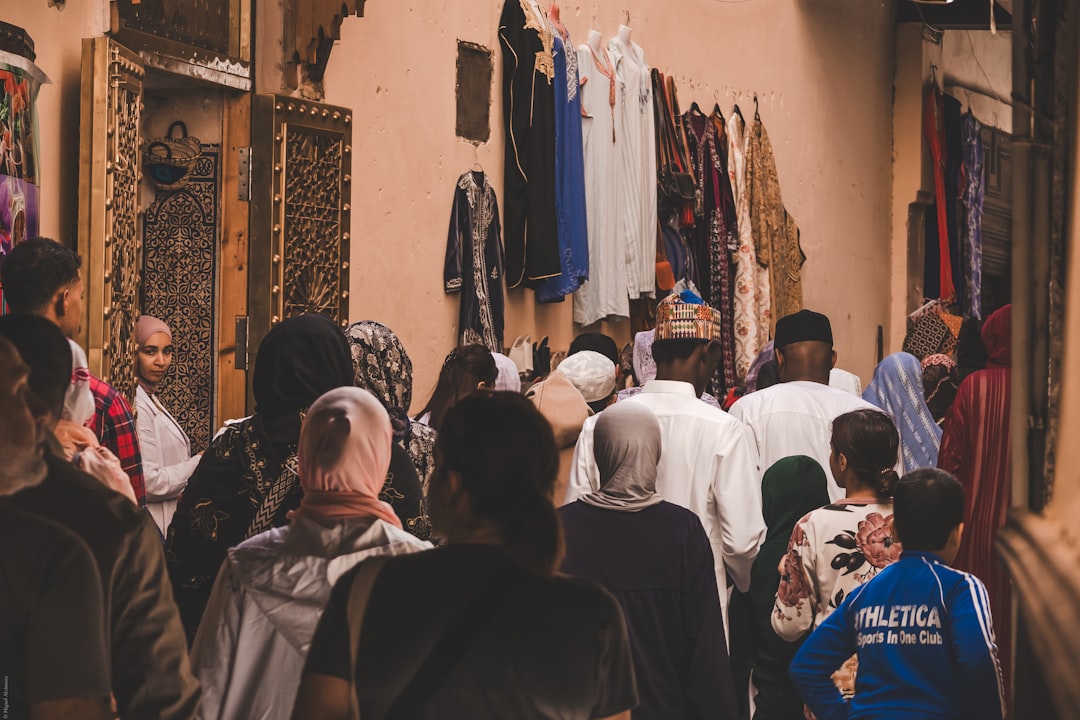
Beyond the 3 headline festivals, June also sits close to the moussem season. Morocco’s festivals fall into 2 main categories: state-supported music festivals and traditional moussems. A moussem is a local gathering tied to a saint, a harvest, or a community tradition. They happen in smaller towns and villages, with no international stage and no media coverage.
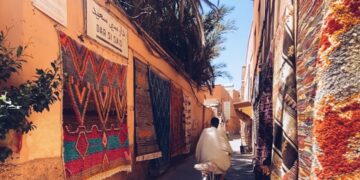
Instead of only visiting famous cities, travellers discover places like Tafraoute, Kelaat M’Gouna, or Imilchil because of local celebrations that are deeply tied to Amazigh heritage and seasonal traditions. These smaller festivals often feel more intimate and memorable than the country’s biggest international events.



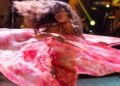


The combination of large-scale festivals and local moussems in June gives you a complete picture of Morocco’s cultural life. You can stand in a crowd of 2 million at Mawazine and then drive 3 hours and find yourself at a village gathering where the music is older than the road you arrived on.
Conclusion: plan your Morocco festival trip for June
Morocco festival season offers something no other travel experience in North Africa can match. In a single month, you can move from the medinas of Fes to the stages of Rabat to the windswept coast of Essaouira, and each stop will feel completely different. The Morocco festival calendar in June is not a list of events. It is a route through the country’s living culture.
Attending a Moroccan festival is more than entertainment. It is a gateway to history, creativity, and the living traditions of a proud nation. Book your accommodation early, choose your Morocco festival anchor event, and then leave room to follow the music wherever it leads you.



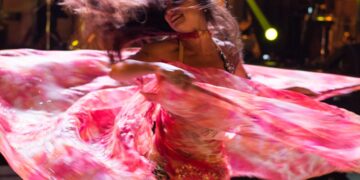





مع قراءة هذا المقال شعرت أن شهر يونيو في المغرب ليس مجرد موسم للمهرجانات، بل لحظة يلتقي فيها التنوع الثقافي مع نبض الحياة اليومية. ما يثير الإعجاب هو قدرة هذه التظاهرات على تحويل الموسيقى والفن إلى جسر يجمع الناس من خلفيات مختلفة، ويجعل من المدن المغربية فضاءات مفتوحة للاحتفال والتبادل الإنساني.