
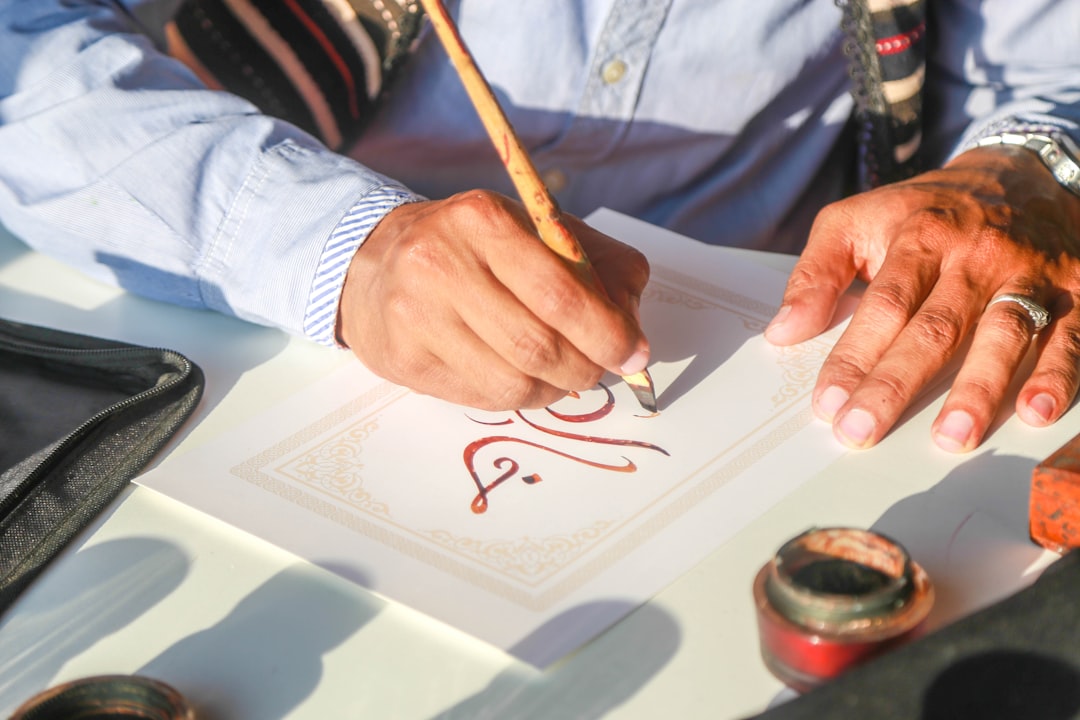
Moroccan calligraphy is alive, restless, and showing up everywhere you least expect it, from gallery walls in Marrakech to streetwear labels in Casablanca.
The tradition these artists carry forward
Moroccan calligraphy has deep roots in the country’s Islamic heritage. For over 1,000 years, artists used Arabic script to decorate mosques, manuscripts, and palace walls. The art is more than writing. It carries faith, identity, and visual meaning in every curve.
The Maghribi script is the most distinctive Moroccan style. Its rounded letters and wide spacing set it apart from eastern Arabic scripts. Alongside it, Kufic, Thuluth, and Diwani scripts all shape the work of today’s artists.
In 2021, UNESCO added Arabic calligraphy to its Intangible Cultural Heritage list, with Morocco among the 16 countries that submitted the nomination. That recognition gave calligraphy fresh visibility. Young artists felt the weight of the tradition and the freedom to push it further.
7 Moroccan calligraphy artists worth following
1. Mohamed Serghini (Fez) works daily in his studio, producing inscriptions that range from Quranic verses to modern design commissions. His practice connects directly to the Maghribi script tradition that entered Morocco in the first centuries of Islam. His work proves that mastery of the qalam, the reed pen, still produces results that no software can replicate.
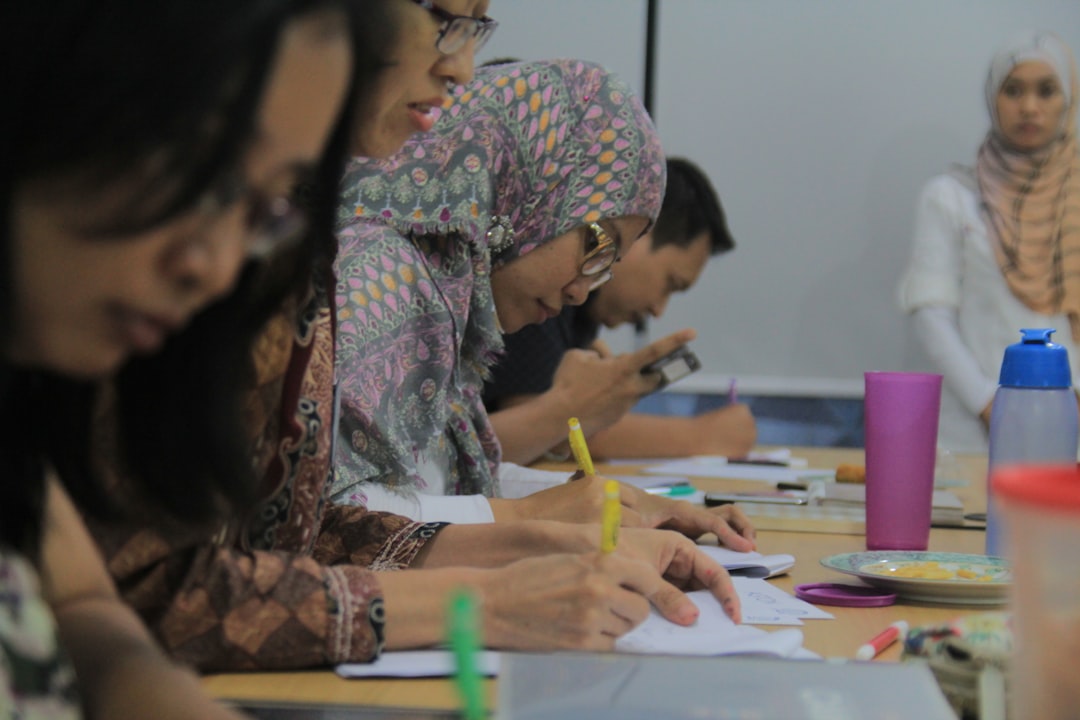
2. Mohamed Meslouhi (Rabat) teaches calligraphy in small groups of 5 to 10 students. He moves across styles, from Maghribi to Naskh and Thuluth, using chalk, dry-erase markers, and ink to show that the art adapts to any surface. His classroom in Rabat has become a quiet center of the country’s calligraphy revival.
3. Ahmed Ghazali pushes traditional calligraphy into new territory by combining classical letterforms with modern materials and techniques. His work has attracted attention from both local collectors and international galleries. He represents a generation of artists who refuse to treat heritage as a closed archive.
4. Abdellah El Hariri (Casablanca) blends geometric abstraction with calligraphy. His work appeared at the 1-54 Contemporary African Art Fair in Marrakech, shown by Nil Gallery Paris. Critics connect his style to the broader Casablanca Art School movement, which has gained international recognition in recent years.
5. Hakim Darari runs The House of the Calligraphy, a dedicated studio and teaching space. He focuses on the connection between the physical act of writing and spiritual practice. His approach keeps the apprenticeship model alive while opening the work to new audiences.
6. Fatima Azzahra Sennaa (Fez) studies at the Sarhrij School of Calligraphy in the old city of Fez. Her father is also a calligrapher and teaches at the same school. She uses both traditional tools and metal pens, and her work already appears in private collections. She represents a generation of young women who are reshaping who calligraphy belongs to.
7. Lalla Essaydi brings calligraphy into photography and installation art. She uses henna script on the bodies and clothing of her subjects to explore identity, tradition, and the position of women in Moroccan society. Her work connects script to lived experience in ways that reach global audiences.
Where script meets contemporary design
These artists do not work in isolation. Moroccan calligraphy now appears in graphic design, fashion, ceramics, murals, and digital media. Studios in Marrakech, Fez, Casablanca, and Rabat produce work that moves between mediums with ease.
Workshops and galleries across Morocco support this momentum. The 1-54 Contemporary African Art Fair in Marrakech has helped raise the profile of Moroccan art globally. Institutions like the Mohammed VI Museum of Modern and Contemporary Art in Rabat provide space for heritage and contemporary practice to exist side by side.
The Ministry of Habous and Islamic Affairs runs the national Mohammed VI Prize for Moroccan Calligraphy Art. This prize honors established masters and encourages new artists to develop their own styles rooted in Moroccan culture. It is a clear signal that the state treats calligraphy as a living art, not a museum object.
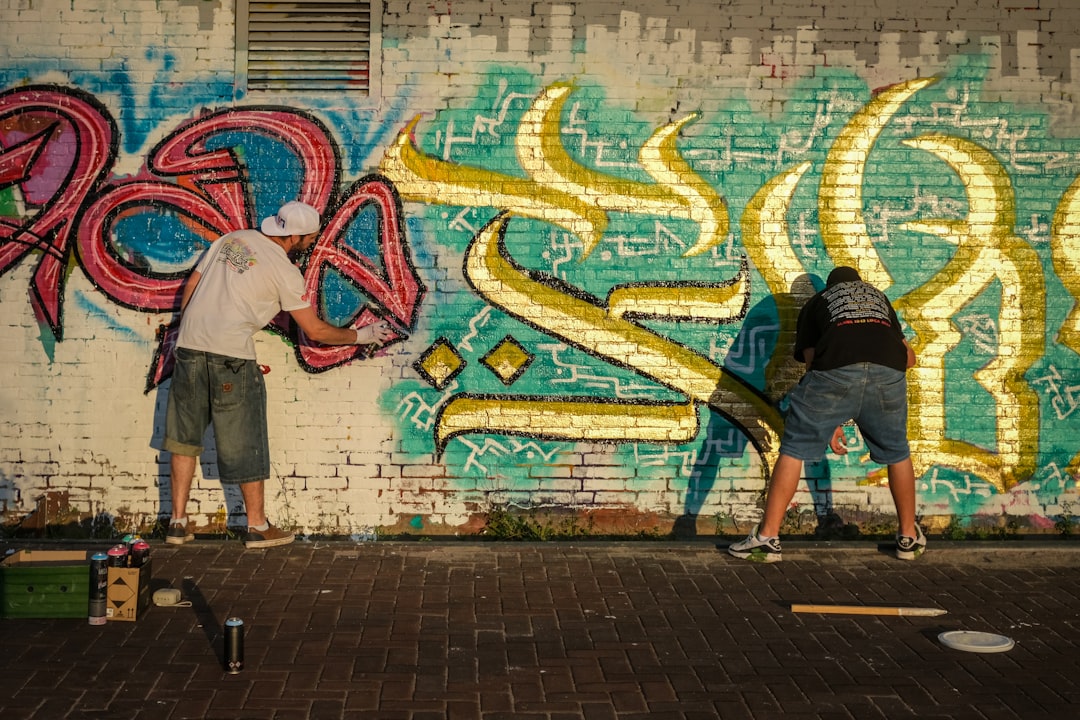
Expert perspective on Moroccan calligraphy today
Moroccan calligraphy is not a relic. It is a practice that people choose every day, in schools, studios, and homes across the country. The apprenticeship model keeps the knowledge precise and personal. What is changing is the surface. Artists now bring the qalam’s logic to canvas, stone, textile, and screen. The script itself does not change its essence, but its context expands constantly. Young Moroccan artists understand that the tradition is strong enough to carry new ideas. The global interest in Arabic script as a design element creates real opportunities for these artists. Morocco is well placed to lead that conversation because the craft infrastructure, the schools, the masters, the competitions, are all still active and producing serious talent.
Industry perspective, culture and visual arts professionals in Morocco
How heritage and innovation share the same pen
Contemporary Moroccan calligraphers do not choose between the old and the new. They study the classical scripts with discipline, and then they make decisions about where to take the work. That combination is what makes their output distinctive.
Cities like Fez and Rabat anchor the traditional side. Fez holds schools like Sarhrij, where students still learn in small groups under master teachers. Marrakech and Casablanca push the design and market side, connecting local artists to international collectors and brands.
The qalam, a pen made from dried reed or bamboo, remains the core tool in most serious studios. Its width determines the proportion of every letter. No digital shortcut replaces the physical knowledge that years of practice with that pen produces.


Moroccan calligraphy is still writing its next chapter
Moroccan calligraphy connects a 1,000-year tradition to some of the most exciting design work in Africa today. The 7 artists in this list show that the practice is in confident hands. Each one uses Moroccan calligraphy to say something specific about identity, faith, culture, and form.

If you want to discover Morocco beyond the postcard, start here. Follow these artists online, visit the galleries and schools in Fez, Marrakech, and Rabat, and look for Moroccan calligraphy in the places you least expect it. The script is everywhere. You just have to learn to read it.