
Coastal menus along Morocco’s Atlantic shore come alive every August, when the peak fresh catch season pulls chefs, fishermen, and families into the same ancient, salt-aired rhythm that has defined this coastline for generations.
Why August is the defining month for coastal kitchens
August arrives on Morocco’s Atlantic coast with a specific kind of energy. The sea is generous. The boats return heavy. And the restaurant tables closest to the water fill with people who know, instinctively, that this is the right moment to eat fish.

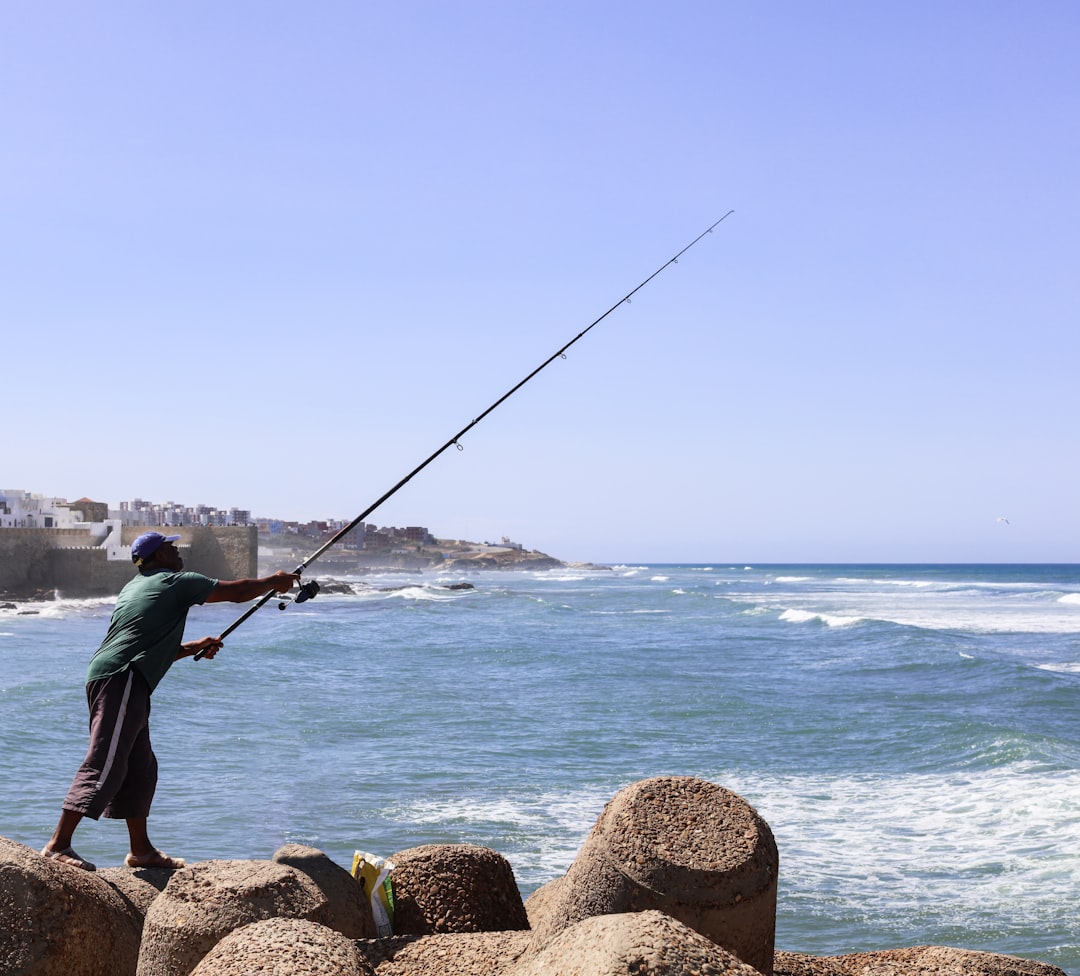
Peak fishing season runs from June through September, and August sits right at its center. Morocco is a premier destination known for its rich marine biodiversity, with waters that hold sea bream, grouper, tuna, barracuda, and a wide variety of other species. For coastal restaurants, this abundance is not background detail. It is the entire conversation.
Boats unload their catch each morning, and by afternoon that same fish arrives grilled, fried, or tagine-simmered at restaurants throughout the city. The speed of that journey, from ocean to plate in a matter of hours, is what makes August coastal menus different from anything available inland or out of season.
How restaurants build their menus around the morning boats
The daily menu in a serious coastal restaurant is not printed weeks in advance. It is written in chalk, spoken aloud by a waiter, or listed on a small board near the entrance. Diners enjoy a relaxed terrace setting where they can order daily specials based on the catch. This is not a marketing style. It is an honest reflection of what arrived that morning.
Essaouira’s fishing port operates as a living piece of Moroccan maritime tradition. Every morning at dawn, wooden boats return with their catch, and fishermen still use techniques unchanged for centuries, knowledge of ocean currents passed from father to son. Restaurants that work directly with these fishermen build their August menus around whatever volume and variety the sea provides.
At establishments like Madada in Essaouira, fresh seafood is prepared imaginatively and according to the seasons, with dishes such as monkfish tagine with caramelized apples. That kind of menu creativity is only possible when the raw ingredients arrive with daily consistency and genuine freshness.
The role of chermoula, sardines, and the tagine tradition
3 dishes define the August coastal table above all others: grilled sardines, chermoula-marinated fish, and the seafood tagine. Each connects modern restaurant service to a much older way of eating.
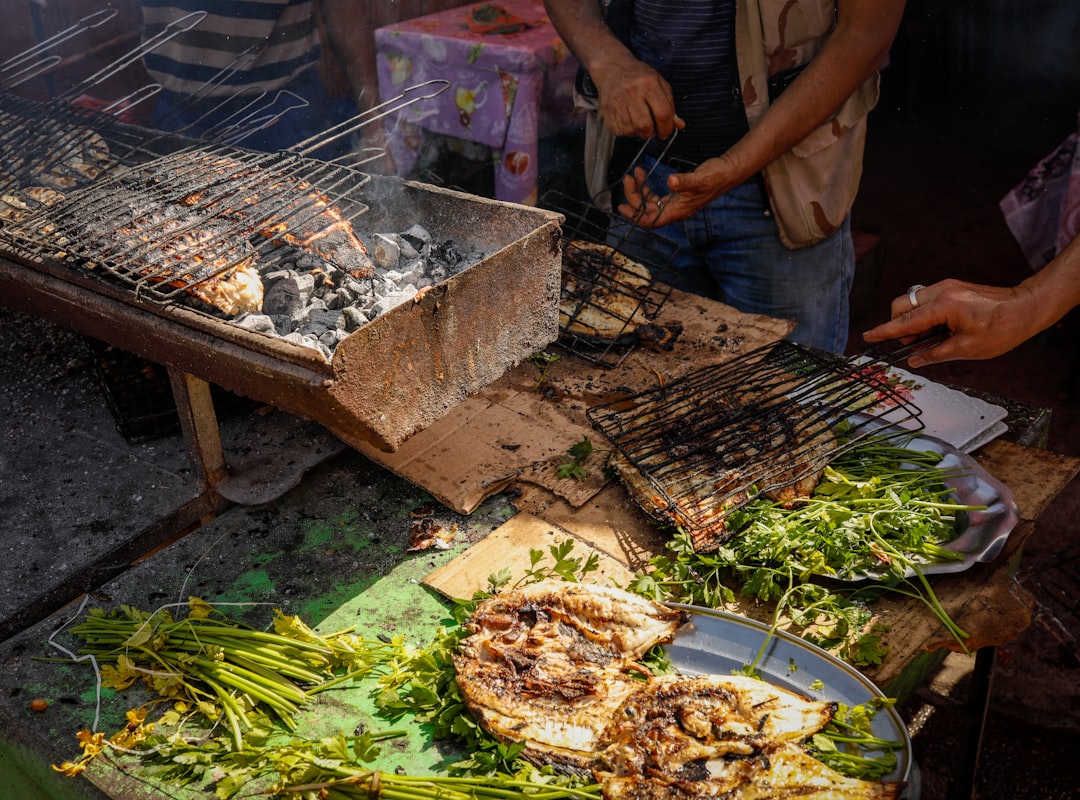
In some years, Morocco is the world’s largest producer of the European sardine. Along the coast, sardines are the fish that everyone eats. Grilled sardines, cooked with simple herbs and served with lemon, are particularly popular at port-side restaurants. They are affordable, plentiful in August, and deeply tied to the identity of Moroccan coastal life.
At port-side grills, fish is stuffed with chermoula, a traditional herb and spice marinade, and cooked over open flames. Chermoula is the flavor that links the fish to the land: coriander, cumin, garlic, lemon, and preserved spices that have been part of Moroccan kitchens for centuries. Fish tagines distinguish coastal cooking from the lamb and chicken preparations dominant elsewhere in Morocco, with fresh seafood combined with preserved lemons, olives, and chermoula creating flavor profiles unique to the Atlantic coast.
Expert perspective on seasonal coastal dining
The August peak season does more than fill the nets. It forces coastal restaurants to think differently about their entire operation. A chef who respects the season does not choose a fish and then find a recipe. The fish that arrives in the morning chooses the dish. Restaurants that understand this build menus with real flexibility: a core of classic preparations that work with any good fish, surrounded by specials that change daily based on what the boats bring. This approach keeps the menu honest and keeps the kitchen alive. Suppliers, chefs, and front-of-house staff all work in closer coordination during August than at any other time of year. That pressure, when managed well, produces the most memorable dining experiences on the Moroccan coast.
Industry perspective, coastal hospitality and seasonal gastronomy professionals in Morocco
From the port to the plate: the supply chain that makes it work
Behind every August seafood dish is a supply chain that operates with precision and speed. The fish market in Essaouira operates on a strict hierarchy: first the locals, then the restaurants, and finally tourists, ensuring community access to the freshest catch. This order matters. It reflects a social contract between the fishing community and the broader town.




Essaouira is a haven for seafood lovers, and visitors can even buy food directly from the fishmongers at the port and take it to a local restaurant there to be cooked. This practice is common along the coast and shows how permeable the line is between market and kitchen during peak season.
Moroccan marine fisheries generate an annual production of more than 1 million tons, placing the country at the forefront of African producers. This industry accounts for 50% of Morocco’s agro-food exports. That national strength filters down to every portside grill and coastal restaurant table in August, where the seafood quality speaks for itself.
Coastal menus as cultural storytelling
The best thing about August coastal menus is not only the fish. It is what the fish carries with it. Every plate of grilled sardines in Safi, every chermoula-baked sea bass in Agadir, every seafood tagine served on a terrace in Asilah connects the person eating it to a long, continuous story of Moroccan coastal life.
This coastal culinary world is one where the ocean dictates the menu and ancient techniques preserve the bounty of the sea. While inland Morocco celebrates tagines and couscous, the Atlantic coast has perfected seafood preparation with methods passed down through generations.
Coastal menus in August are not simply a list of available dishes. They are a live document, rewritten every morning, shaped by wind and water and the skill of people who have fed this coast for generations. To sit at one of these tables, to order the daily special, and to taste what the Atlantic offered that morning is to participate in something that no printed menu can fully capture. Coastal menus, at their best in August, are Morocco’s most honest and most generous form of hospitality. Come to the coast this season, pull up a chair near the water, and let the catch decide what you eat.
Discover more about coastal menus
- FAO Moroccan Fisheries Supply Overview
- Morocco Halieutis Fisheries Sector Report
- Essaouira to Agadir: Discovering Morocco’s Coastal Seafood Traditions