
Few countries evoke the sense of culinary wonder quite like Morocco. Nestled at the crossroads of Africa, Europe, and the Middle East, its cuisine is a vibrant tapestry woven from centuries of cultural exchange and tradition. Moroccan gastronomy is more than just food—it is an art form that connects people, tells stories, and celebrates the joy of living. Through the lens of its bold flavors, aromatic spices, and communal dining practices, Morocco invites us to savor life one bite at a time.
The Heart of Moroccan Cuisine
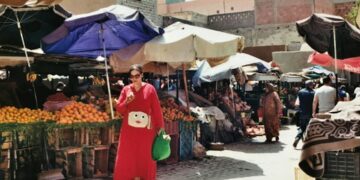
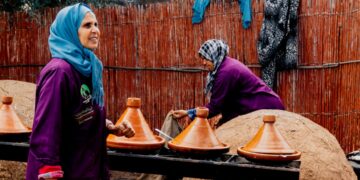
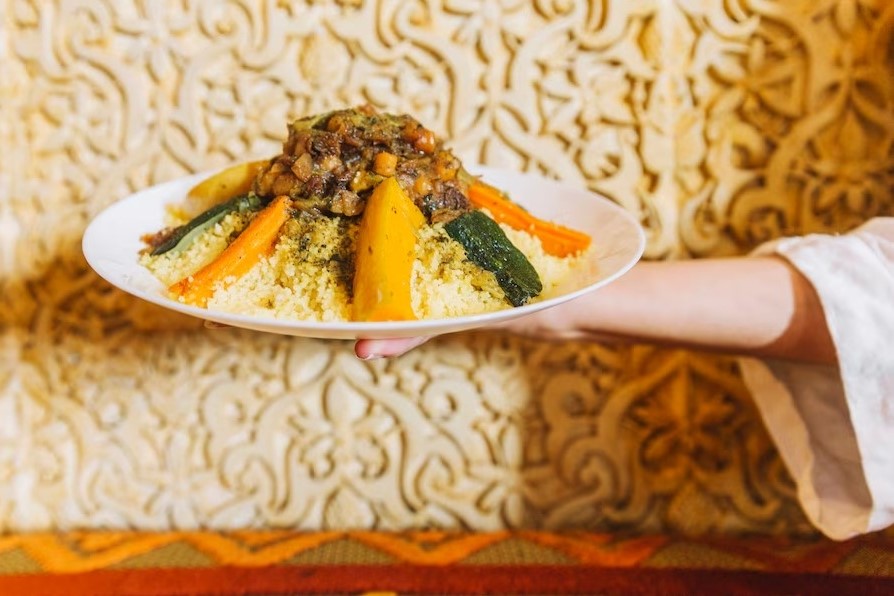
Moroccan cuisine is built on a foundation of fresh, locally sourced ingredients. From the bustling souks brimming with colorful produce to the fragrant spice stalls offering cumin, saffron, and cinnamon, every element contributes to the symphony of flavors. Signature dishes like tagine, couscous, and harira soup showcase the intricate balance of sweet and savory that defines Moroccan cooking.

“For us, cooking is not just a task; it’s an act of love,” says Fatima, a home cook from Marrakech. “When I prepare a tagine, I think of my family and how the spices and ingredients will bring them comfort. Each meal is a gift.”
The Spice Trail: A Journey Through History
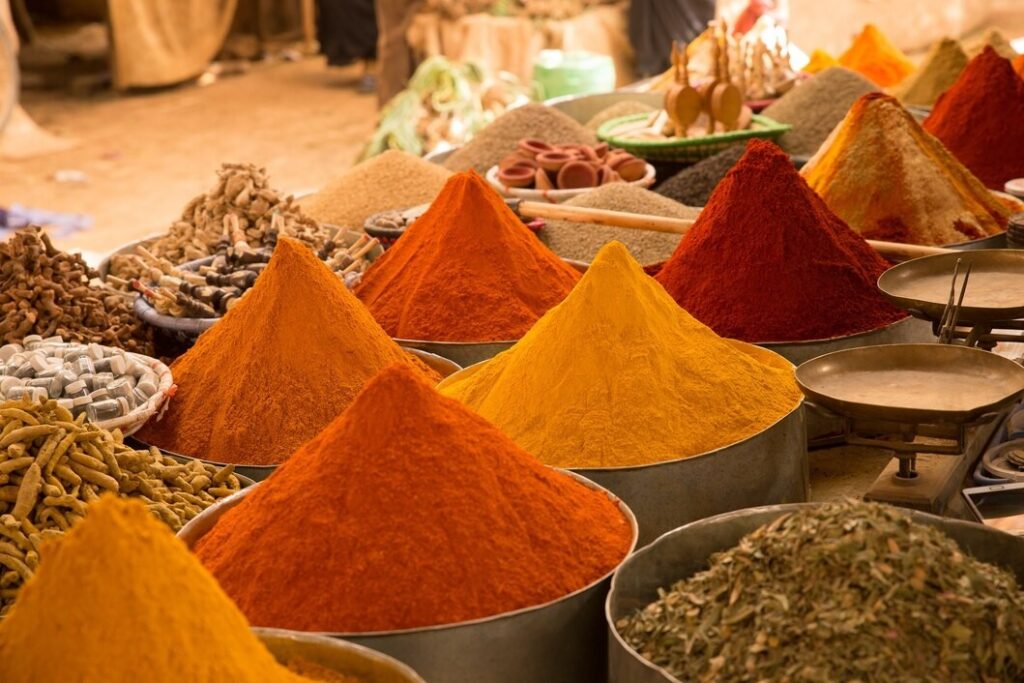
One of the hallmarks of Moroccan cuisine is its masterful use of spices. The country’s strategic position on ancient trade routes introduced ingredients from around the world, such as saffron from Persia, cinnamon from Sri Lanka, and paprika from the Americas. Over time, these spices were skillfully incorporated into traditional recipes, creating the distinctive Moroccan flavor profile.
“The spices are the soul of our dishes,” says Hassan, a chef in Fez. “Each one tells a story of where we come from and the cultures that have shaped us.”

The Ritual of Tea
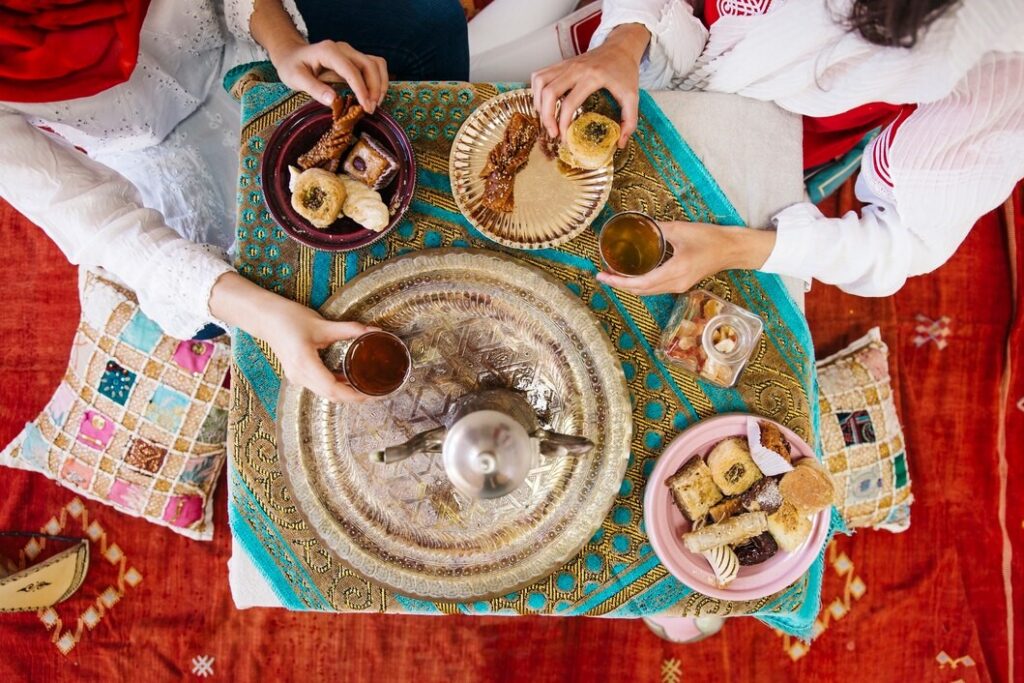
No exploration of Moroccan gastronomy would be complete without mentioning mint tea. Often referred to as “Moroccan whiskey,” this sweet, aromatic beverage is a cornerstone of hospitality. The preparation and serving of tea is a ritual in itself, reflecting the values of warmth and generosity that are central to Moroccan culture.
“Tea is more than a drink,” explains Amina, a restaurant owner in Rabat. “It’s how we welcome friends, family, and even strangers into our lives. Sharing tea is sharing our hearts.”
The Communal Table: A Feast for All
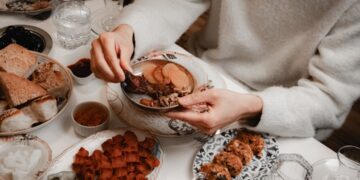
Moroccan dining is inherently communal, emphasizing the importance of togetherness. Meals are often served family-style, with everyone gathering around a single dish to share. The act of breaking bread—often freshly baked khobz—creates a sense of unity and connection.
“When we eat together, we share more than food; we share our lives,” says Mohamed, a father of three from Casablanca. “This is how traditions live on, through stories told over meals.”
-
Ramadan Nutrition: Healthy Iftar Recipes and Suhoor Meal Planning
Planning your Ramadan nutrition helps Moroccans to maintain their energy levels and health throughout the holy month. Balanced iftar and...
Moroccan Street Food: Local Favorites Guide
Street food represents Morocco's vibrant culinary culture offering authentic flavors at affordable prices throughout medinas and souks. Furthermore, traditional vendors...
Sweets and Celebrations
Desserts play a special role in Moroccan gastronomy, particularly during celebrations. From honey-drenched chebakia to almond-filled briouats, sweets are a symbol of joy and abundance. These confections are often paired with mint tea, creating a perfect harmony of flavors.
“During Ramadan, we prepare sweets with so much care,” says Nadia, a pastry chef in Chefchaouen. “It’s a time of reflection and togetherness, and these treats remind us of life’s sweetness.”

A Culinary Invitation
To experience Moroccan gastronomy is to embrace a lifestyle rooted in flavor, hospitality, and celebration. Whether you’re savoring a slow-cooked lamb tagine, sipping a glass of mint tea, or sharing stories around a table of couscous, Moroccan cuisine invites you to connect with its rich heritage and the people who bring it to life.
“Cooking is our way of saying, ‘You are welcome here,’” Fatima adds with a smile. “And as long as there is food, there is always room for one more.”
So, take a journey through the flavors of Morocco. Let the spices awaken your senses, the warmth of mint tea soothe your soul, and the communal table remind you of the beauty of shared experiences. In every bite, you’ll discover the art of living—Moroccan style.


مقال رائع يجسد الروح الحقيقية للمطبخ المغربي. أتفق تماماً أن الطهي هو ‘فعل حب’ وكرم ضيافة، وأن ‘التوابل هي روح الأطباق’. هذا الفن في دمج النكهات الحلوة والمالحة يروي قصصاً عن التقاطعات الثقافية للمغرب. لا تكتمل زيارة المغرب دون المشاركة في هذا الفن الجميل.
أعجبتني الإشارة إلى أن الطعام في المغرب ‘جماعي بطبيعته’، وكيف أن طقس مشاركة الخبز حول طبق واحد يخلق شعوراً بالوحدة. والشاي بالنعناع هو حقاً ‘حجر الزاوية في الضيافة’. هذه الطقوس هي ما يجعل المطبخ المغربي تجربة حياة كاملة وليست مجرد وجبة.
تحليل ممتاز لجوهر المطبخ المغربي القائم على المكونات الطازجة. أطباق مثل الطاجين والحريرة والشباكية هي فعلاً نجمة المائدة. من المهم التذكير بأن استخدام التوابل العطرية (الزعفران والقرفة) هو فن متوارث عبر ‘درب التوابل’ القديم. سأجرب الطاجين فوراً بعد قراءة هذا المقال!
La gastronomía marroquí es, sin duda, un tesoro cultural que va mucho más allá del sabor. Me encanta cómo el artículo describe nuestra cocina como un “arte de vivir”, reflejando esa mezcla única de influencias bereberes, árabes y andaluzas. Es un orgullo ver que platos tan emblemáticos como el tajín o el cuscús no solo mantienen su esencia, sino que se reinventan con toques modernos para conquistar los paladares de todo el mundo. ¡Un artículo exquisito que rinde homenaje a nuestra identidad
Moroccan gastronomy is much more than just delicious food; it’s a vibrant expression of our identity and hospitality. This article beautifully captures how our culinary traditions—from the delicate balance of spices to the sacred ritual of shared meals—define the Moroccan ‘art of living.’ It is a proud reflection of a heritage that continues to enchant food lovers across the globe. Thank you for celebrating these timeless flavors and the stories they tell!
في المطبخ المغربي لا يكون الطعام مجرد حاجة للجسد، بل لحظة حياة تُروى فيها الحكايات وتُقاس بها المحبة؛ نكهة التوابل، دفء الشاي، واجتماع الأيدي حول طبق واحد تجعل من الأكل فناً للعيش قبل أن يكون عادة يومية، وكأن كل وجبة تقول لنا بهدوء إن البساطة حين تُعاش بصدق تتحول إلى احتفال جميل بالحياة