

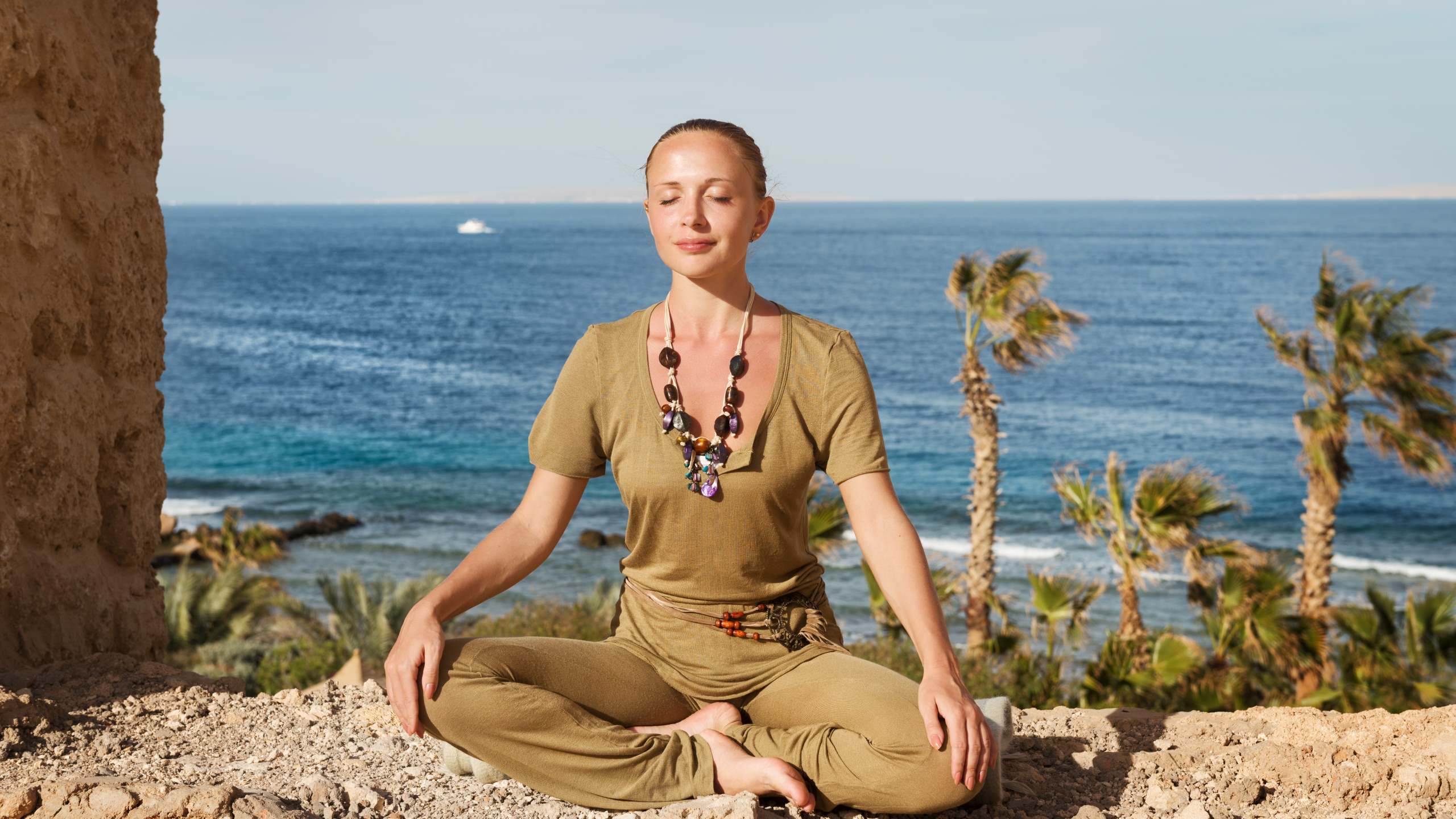
In today’s fast-paced world, mindfulness has become a global movement, helping people reconnect with themselves and their surroundings. In Morocco, however, mindfulness is not a new trend it is woven into centuries-old traditions, rituals, and ways of life. From the soothing rhythm of tea ceremonies to the reflective calm of hammams, Moroccan culture offers timeless practices that can inspire modern approaches to well-being.
The Ritual of Moroccan Tea: A Lesson in Presence
Preparing and serving Moroccan mint tea is more than a simple act of hospitality, it is a mindful ritual. Every step, from boiling the water to pouring the tea in high arcs, is performed with intention and patience. For Moroccans, tea time is a chance to slow down, share stories, and savor the moment. Practicing mindfulness through tea preparation encourages focus, gratitude, and deeper social connections.

Hammam: Cleansing Body and Mind
The Moroccan hammam, or traditional steam bath, is not only a place for physical cleansing but also a space for mental renewal. The process of exfoliation, relaxation in hot steam, and gradual cooling mirrors mindfulness techniques that emphasize letting go of stress.
Many Moroccans view the hammam as a weekly ritual that refreshes both body and soul, making it a perfect example of how ancient practices foster inner balance.
Connecting with Nature: Mountains, Beaches, and Beyond.
Mindfulness often involves reconnecting with nature, and Morocco’s landscapes make this easy to practice. Whether it’s hiking in the Atlas mountains or walking along the serene beaches of Essaouira, Moroccans have long embraced the therapeutic power of nature.
Autumn especially offers a unique atmosphere: crisp air, changing colors, and quieter paths. These walks encourage reflection, grounding, and appreciation of the present moment.
Ramadan Nutrition: Healthy Iftar Recipes and Suhoor Meal Planning
Planning your Ramadan nutrition helps Moroccans to maintain their energy levels and health throughout the holy month. Balanced iftar and...
Moroccan Street Food: Local Favorites Guide
Street food represents Morocco's vibrant culinary culture offering authentic flavors at affordable prices throughout medinas and souks. Furthermore, traditional vendors...
Storytelling and Oral Traditions
Morocco’s rich storytelling culture, passed down through generations in souks and family gatherings, teaches the art of deep listening and presence. Sitting with a hakawati (storyteller) requires attentiveness and openness, qualities central to mindfulness.
-
Engaging with traditional tales not only connects youth to cultural roots but also promotes mindful listening in an age dominated by digital distractions.

A Testimonial: Finding Calm Through Tradition
Amina, a 28-year-old analyst from Marrakech, shares how Moroccan traditions helped her embrace mindfulness:

“I used to struggle with stress from work until I began reconnecting with simple rituals. A hammam session followed by tea gave me space to breathe, while cooking slowly at home helped me reconnect with my senses. These traditions became my personal mindfulness practice, woven naturally into my daily life.”

Culinary Mindfulness: Cooking with Care
Cooking in Morocco is a sensory journey. The careful mixing of spices, slow cooking of tagines, and shared family meals are exercises in mindfulness. Preparing food with intention allows people to engage all their senses, the smell of saffron, the texture of semolina, the vibrant colors of fresh vegetables. This form of culinary mindfulness transforms an everyday task into a grounding and joyful experience.
Conclusion
Moroccan traditions offer powerful lessons in mindfulness, showing that balance and awareness are not new concepts but timeless practices. Whether it’s the slow ritual of mint tea, the cleansing rhythm of the hammam, or the grounding presence of nature, these cultural habits remind us to pause and reconnect. For Moroccan youth and anyone seeking calm in a fast-paced world, embracing these practices provides a sustainable, culturally rich path to mindfulness.


مقال متميز يذكرنا بأن ‘اليقظة الذهنية’ (Mindfulness) ليست غريبة عن ثقافتنا؛ بل هي جزء لا يتجزأ من حياتنا اليومية. طقس تحضير الشاي ببطء، وجلسة الحمام المغربي الأسبوعية، وحتى الاستماع لقصص الأجداد، كلها ممارسات تدعونا للاستمتاع باللحظة الحاضرة والسكينة. الجميل في المغرب هو أننا نملك هذه الأدوات التقليدية بالفطرة، وما نحتاجه فقط هو الوعي بقيمتها العلاجية في عالمنا الرقمي السريع. شكراً لمجلة ماويب على هذا الطرح الذكي.”
تحليل موفق جداً لربط التقاليد بالرفاهية. أعجبتني فكرة ‘اليقظة الطهوية’؛ فالمطبخ المغربي برغوة شايّه وتوابل طواجينه هو تجربة حسية كاملة تحفز الروح قبل الجسد. العودة إلى هذه الجذور هي الحل الأمثل لمواجهة التوتر والقلق المعاصر. هذا المقال دعوة لكل شاب وشابة لتقدير هذه الكنوز الثقافية التي ورثناها، وجعلها وسيلة للتوازن النفسي والارتباط بالأرض والهوية. مقال ملهم يبعث على الهدوء!”
🌿 التقاليد المغربية البسيطة، كتحضير الشاي أو الجلوس بهدوء، تعلّمنا الحضور في اللحظة والإنصات إلى الذات 😌☕
فاليقظة ليست دائمًا ممارسة معقّدة، بل قد تكون عادة يومية تُعاش بصدق ✨
تُذكّرني هذه العادات المغربية البسيطة بأن السكينة ليست شيئًا نبحث عنه بعيدًا، بل نعيشه في تفاصيلنا اليومية؛ في كأس شاي يُحضَّر بهدوء، أو لحظة صمت داخل الحمّام، أو حتى في جلسة حكي نستمع فيها بصدق. ربما لم نكن نسميه “تأملًا”، لكنه كان دائمًا جزءًا من حياتنا، ينتظر فقط أن ننتبه إليه من جديد
أحيانًا السكينة لا تحتاج أن نبحث عنها بعيدًا؛ تكفي لحظة صمت مع كأس شاي، أو تأمل بسيط في تفاصيل اعتدناها، لنكتشف أن الطمأنينة كانت دائمًا قريبة منا.