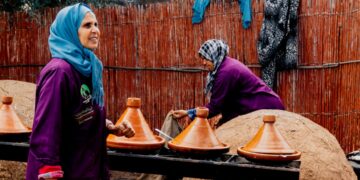


The growing popularity of gluten-free diets in Morocco highlights the connection between diet and digestive health. For many, eliminating gluten has led to significant improvements in digestion, energy levels, and overall well-being. By embracing gluten-free alternatives and focusing on whole, nutrient-dense foods, Moroccans can enjoy the rich flavors of their cuisine while supporting their digestive health.
A Closer Look at Improved Digestion in Morocco
In recent years, the gluten-free diet has gained significant attention worldwide, not only as a necessity for those with celiac disease or gluten intolerance but also as a lifestyle choice for individuals seeking better health and well-being. One of the most noticeable benefits reported by many who adopt a gluten-free diet is improved digestion.

This is particularly evident in Morocco, where traditional cuisine is rich in gluten-containing grains like wheat, barley, and semolina. Many Moroccans who have transitioned to a gluten-free diet report feeling lighter, more comfortable, and experiencing fewer digestive issues. But what exactly makes a gluten-free diet so beneficial for digestion, and how does this apply to the Moroccan context? Let’s explore this in depth.

Understanding Gluten and Its Impact on Digestion
Gluten is a protein found in wheat, barley, rye, and their derivatives. For most people, gluten is harmless and can be digested without issue. However, for individuals with celiac disease, non-celiac gluten sensitivity, or wheat allergies, gluten can trigger a range of digestive problems. These include bloating, gas, diarrhea, constipation, and abdominal pain. Even for those without a diagnosed condition, gluten can sometimes be difficult to digest, leading to discomfort and a feeling of heaviness after meals.
In Morocco, where bread, couscous, and pastries are staples, gluten is a significant part of the daily diet. While these foods are delicious and culturally significant, they can contribute to digestive discomfort for some individuals. This has led many Moroccans to explore gluten-free alternatives, often with remarkable results.
The Shift to Gluten-Free in Morocco
Moroccan cuisine is diverse and adaptable, making it easier to incorporate gluten-free options without sacrificing flavor or tradition. Many Moroccans are now turning to naturally gluten-free ingredients like rice, corn, quinoa, and legumes to replace traditional wheat-based dishes. For example, rice-based dishes like rfissa or gluten-free versions of couscous made from rice, corn or quinoa are becoming increasingly popular.
The shift to a gluten-free diet in Morocco is not just about avoiding discomfort; it’s also about embracing a healthier lifestyle. Many people report that eliminating gluten has not only improved their digestion but also increased their energy levels and overall sense of well-being. This is particularly important in a culture where food plays a central role in social and family life.
Eid al-Adha 2026: Sheep Prices in Morocco
Sheep prices in Morocco are expected to fall ahead of Eid al-Adha 2026. After years of drought, supply shortages, and...
Morocco Spring 2026: 7 Best Day Trips from Marrakech
Day trips from Marrakech offer the chance to explore some of Morocco's most spectacular landscapes and cultural treasures. Moreover, tourists...
Moroccan Real Estate Spring 2026: Buyer’s Guide
Real estate markets across Morocco experienced a revival in spring 2026, attracting domestic and foreign buyers. Furthermore, the sector is...
Morocco Eid al-Fitr 2026: 8 Best Festive Restaurants
Restaurants across Morocco are preparing exceptional Eid al-Fitr menus to celebrate the end of the holy month. These establishments combine...
How a Gluten-Free Diet Improves Digestion
Reduced Inflammation
For individuals with gluten sensitivity, consuming gluten can cause inflammation in the gut lining, leading to discomfort and digestive issues. By eliminating gluten, the gut has a chance to heal, reducing inflammation and improving overall digestive function.
Balanced Gut Microbiome
A gluten-free diet often encourages the consumption of more whole, unprocessed foods like fruits, vegetables, and lean proteins. These foods are rich in fiber and nutrients that support a healthy gut microbiome, which is essential for proper digestion.
Elimination of Trigger Foods
For those with gluten intolerance, removing gluten from the diet eliminates a major trigger for digestive discomfort. This can lead to fewer symptoms like bloating, gas, and irregular bowel movements.
Improved Nutrient Absorption
Chronic inflammation and damage to the gut lining caused by gluten can impair the body’s ability to absorb nutrients. A gluten-free diet allows the gut to heal, improving nutrient absorption and overall health.

Challenges and Considerations
While the benefits of a gluten-free diet are clear, it’s important to approach this lifestyle change thoughtfully. In Morocco, where gluten-containing foods are deeply ingrained in the culture, transitioning to a gluten-free diet can be challenging. It requires careful planning and a willingness to explore new ingredients and recipes.
Additionally, a gluten-free diet is not inherently healthier unless it is balanced and nutrient-dense. Simply replacing gluten-containing foods with processed gluten-free alternatives can lead to a diet high in sugar and unhealthy fats. Therefore, it’s crucial to focus on whole, naturally gluten-free foods and to ensure a varied and balanced diet.
Conclusion
The growing popularity of gluten-free diets in Morocco highlights the connection between diet and digestive health. For many, eliminating gluten has led to significant improvements in digestion, energy levels, and overall well-being. By embracing gluten-free alternatives and focusing on whole, nutrient-dense foods, Moroccans can enjoy the rich flavors of their cuisine while supporting their digestive health.
As with any dietary change, it’s important to consult with a healthcare professional to ensure that nutritional needs are being met. For those who struggle with digestive issues, a gluten-free diet may be the key to feeling lighter, more comfortable, and healthier.


أتفق تماماً مع أن ‘تحسين الهضم’ هو الفائدة الأولى الملحوظة. التخلص من الغلوتين يمنح شعوراً ‘بالخفة والراحة’ ويقلل من الإحساس بالثقل بعد الوجبات، وهو ما يعاني منه الكثيرون بسبب حساسية غير مشخصة. هذه التغييرات البسيطة في الغذاء يمكن أن تحدث فرقاً كبيراً في نوعية الحياة.
المقال يلامس التحدي في الثقافة المغربية حيث يعتمد المطبخ بشكل كبير على القمح (الخبز والكسكس). لكن من الجيد الإشارة إلى الحلول والبدائل المتاحة، مثل الاعتماد على الأرز والكينوا كمكونات طبيعية خالية من الغلوتين. هذا يثبت أن الحفاظ على النكهات المغربية أمر ممكن مع اتباع نظام غذائي صحي.
شرح جيد للآلية التي يعمل بها الغلوتين في إحداث الالتهابات. أهم نقطة هي أن النظام الخالي من الغلوتين ‘يساعد الأمعاء على الشفاء’ وبالتالي يحسن من امتصاص الجسم للعناصر الغذائية. هذا يؤكد أن الأمر لا يتعلق بالهضم فحسب، بل بالتغذية الشاملة للجسم.
💭 حين نفكّر في نظام غذائي خالٍ من الغلوتين، لا نتحدّث فقط عن حرمان أو تغيير في الأكل، بل عن استماع لجسمنا ومحاولة فهم ما يريحه 🌿. بالنسبة لبعض الناس، التخلص من الغلوتين يخفّف الانتفاخ، يسهّل الهضم ويمنح شعورًا بالخفة والطاقة 🎈، وكأنه دعوة بسيطة لنعتني بأمعائنا كما نعتني بقلوبنا 💛
Totalmente de acuerdo con el artículo. Muchas veces normalizamos la pesadez estomacal o la hinchazón sin darnos cuenta de que lo que comemos es la clave. Al reducir o eliminar el gluten, la mejora en la digestión es casi inmediata y uno se siente mucho más ligero y con más energía en el día a día. Es fundamental aprender a escuchar a nuestro cuerpo y este contenido lo explica de maravilla. ¡Un gran aporte para quienes buscamos una vida más equilibrada